


GC Systems
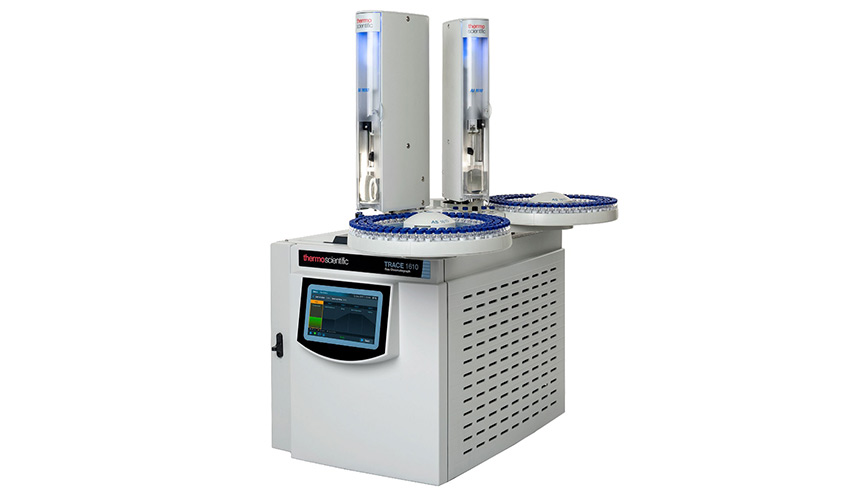
Thermo Scientific offers state-of-the-art GC chromatography systems that are modular for unlimited combinations of instant-connect injector and detector modules. These are easily achieved by the user in just a few minutes, and can be use...
Read more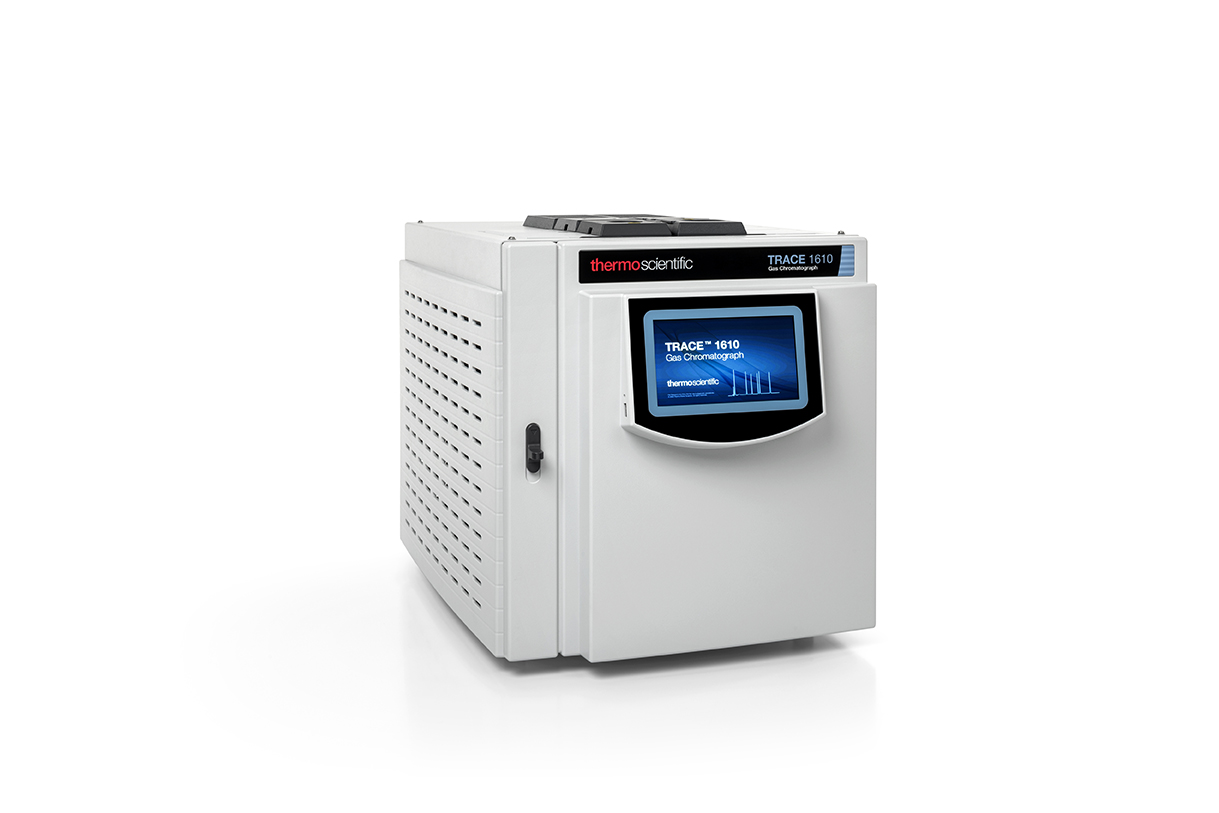
GC Autosamplers
Different gas chromatography (GC) autosamplers are available to fulfill any requirement for liquid, headspace, solid phase microextraction (SPME) injections, automated sample preparation, as well as dilutions, additions, and derivatizati...
Read more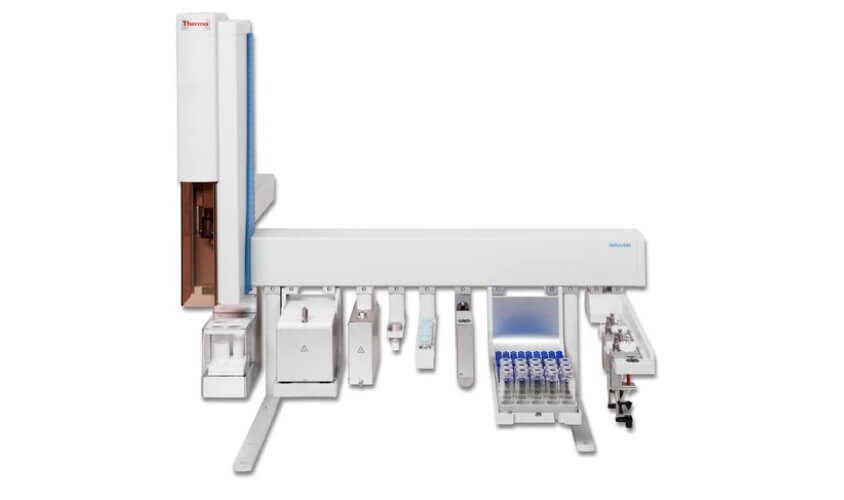
FAQ: Gas Chromatography (GC)
Gas Chromatography (GC) is a technique used to separate and analyze compounds that can vaporize without decomposition. It is ideal for the analysis of gases, fuels, fragrances, pesticides, and many other volatile substances.
The most commonly used carrier gases are helium, nitrogen, and hydrogen. Hydrogen provides the best peak separation efficiency; however, due to its flammability, many users prefer switching to helium or nitrogen.
The selection depends primarily on the polarity of your analytes. Column series such as Thermo Scientific™ TraceGOLD™ offer a wide range of stationary phases designed to ensure minimal column bleed and excellent result reproducibility.
The most common causes are fluctuations in carrier gas flow or leaks at the septum. Systems such as the Thermo Scientific™ TRACE™ 1600 series feature modular injectors that simplify maintenance and help prevent these issues.
These are consumable parts that directly affect peak quality. Regular replacement after a defined number of injections is recommended to prevent contamination and sample degradation.
An unstable baseline typically indicates impure carrier gas or detector saturation. Using high-quality gas filters and original consumables helps resolve this issue and ensures consistent performance.
These injectors provide flexibility: Split mode is used for concentrated samples to prevent column overload, while Splitless mode is ideal for Thermo Scientific™ trace™-level analysis where maximum sensitivity is required.
Headspace chromatography is a technique where only the volatile components above a liquid or solid sample are analyzed. Systems such as the Thermo Scientific™ TriPlus™ 500 or Thermo Scientific™ TriPlus™ RSH autosamplers provide automated, highly precise headspace analysis while minimizing system contamination.
Temperature controls the migration speed of analytes through the column. Programmed temperature ramping (temperature gradient) allows heavier components to elute faster while maintaining sharper peaks.
Coupling GC with systems such as Thermo Scientific™ ISQ™ 7610, Thermo Scientific™ TSQ™ 9610, or GC Thermo Scientific™ Exploris™ enables not only separation of components but also precise identification of their molecular structure, which is essential in modern analytical laboratories.