


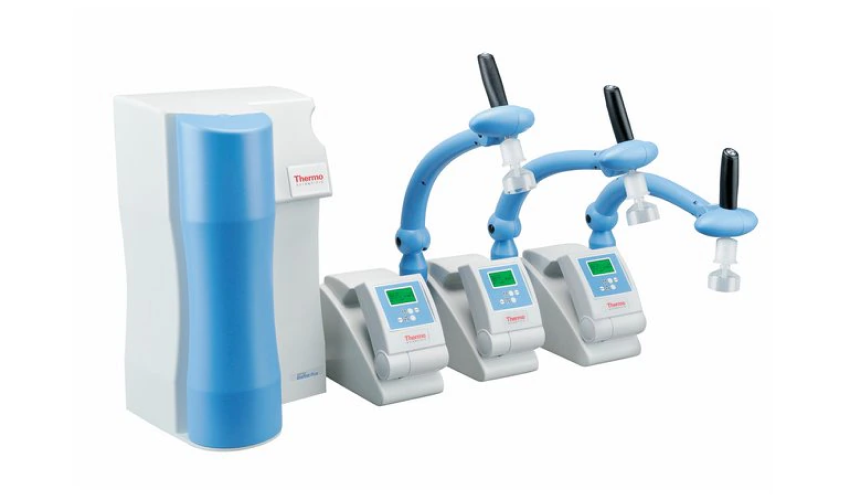
Type 1 – Ultrapure Water Systems
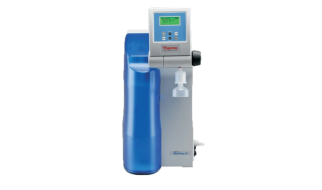
Type 2 – Pure Water Systems
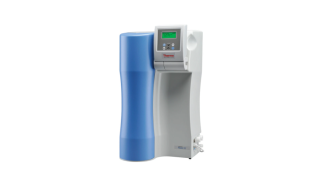
Type 3 – Reverse Osmosis Water Systems
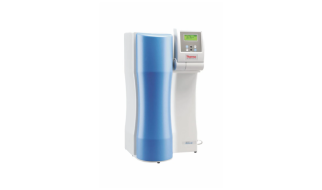
Water Distillation Systems
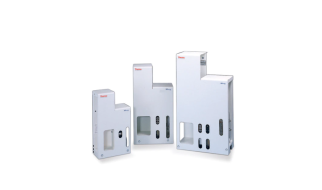
Cartridge and Filter Systems
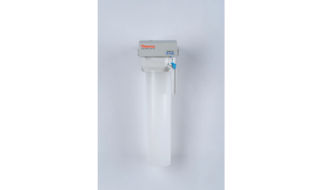
FAQ: Water Purification Systems
Water purification systems are devices that produce laboratory-grade water of defined quality (Type 1, Type 2, and Type 3) by removing dissolved salts, organic substances, microorganisms, and particles. They are used in analytical, pharmaceutical, and research laboratories where consistent water quality is essential for accurate results.
Type 1 (ultrapure water) is used for instrumental analysis (HPLC, GC/GC-MS, ICP, ICP-MS) and molecular biology. Type 2 water is suitable for reagent preparation and general analytical applications, while Type 3 water is intended for rinsing and basic laboratory needs.
Reverse osmosis (RO) removes up to 99% of dissolved salts and organic substances by forcing water under pressure through a semi-permeable membrane, making it a fundamental step in the production of purified and ultrapure water.
The most important parameters are resistivity (18.2 MΩ·cm for Type 1 water), TOC value (Total Organic Carbon), and the levels of bacteria and particles.
Yes. Professional laboratory water systems are designed in accordance with USP, Ph. Eur., and other relevant standards for pharmaceutical and industrial applications.
Capacity ranges from smaller systems (3-50 L/h) to centralized systems producing over 200 L/h, depending on laboratory needs.
Maintenance includes regular replacement of filters, RO membranes, and deionization cartridges, as well as periodic system sanitization to prevent microbiological contamination.
The lifespan of an RO membrane depends on the quality of the feed water, system pressure, and regular maintenance. On average, it lasts between 1 and 3 years. Timely replacement and proper pre-filtration extend service life and ensure stable purified water quality.
Monitoring TOC is critical in the pharmaceutical industry, in the production of Water for Injection (WFI), and in drinking water applications, as it indicates the presence of organic contamination.
It is necessary to analyze the feed water quality, daily consumption, and method requirements. Professional technical consultation ensures selection of a system that provides stable quality and long-term reliability. Simply send us answers to these three questions, and we will immediately recommend the most suitable system for you.