


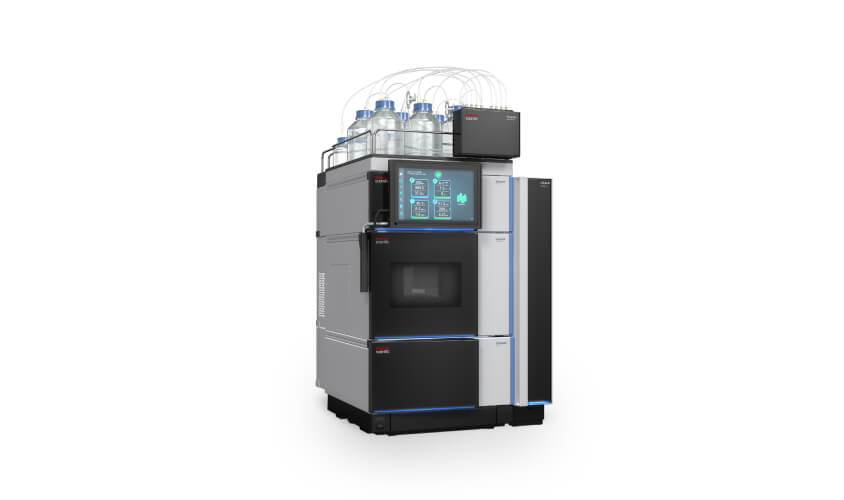
Liquid Chromatography (LC)
Thermo Scientific's portfolio of innovative and reliable liquid chromatography (LC) instruments includes analytical HPLC and UHPLC systems that can handle any separation challenge from simple to complex samples; flexible, application-spe...
Read more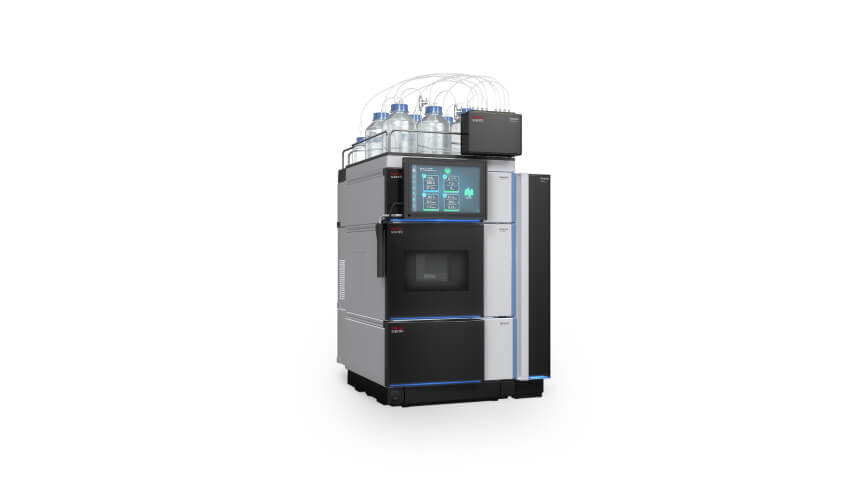
Gas Chromatography (GC)
Thermo Scientific's gas chromatography (GC) solutions are designed to be customized so that they can fit any laboratory workflow. From Thermo Scientific Instant Connect injector and detector modules, to the performance-leading mass spect...
Read more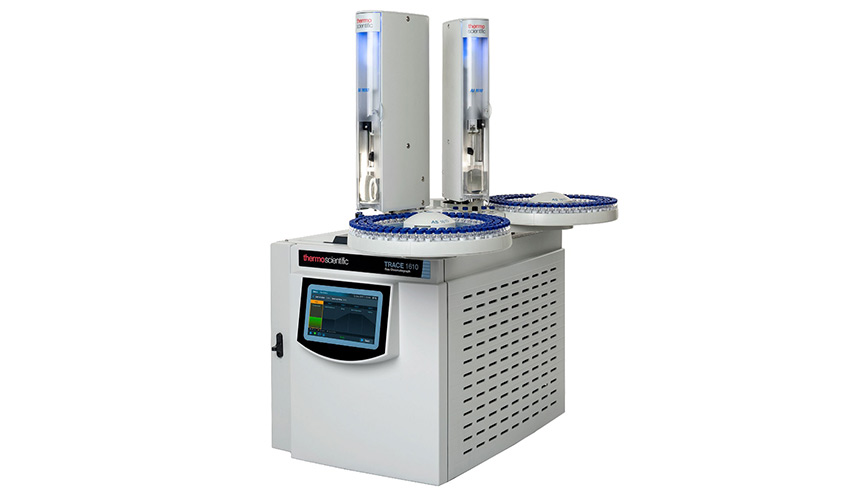
Ion Chromatography (IC)
For over 40 years, Thermo Scientific has been a technology leader of ion chromatography (IC) instruments, providing ultimate solutions for ion analysis. Whether you have just a few samples or a heavy workload, whether your analytical ta...
Read more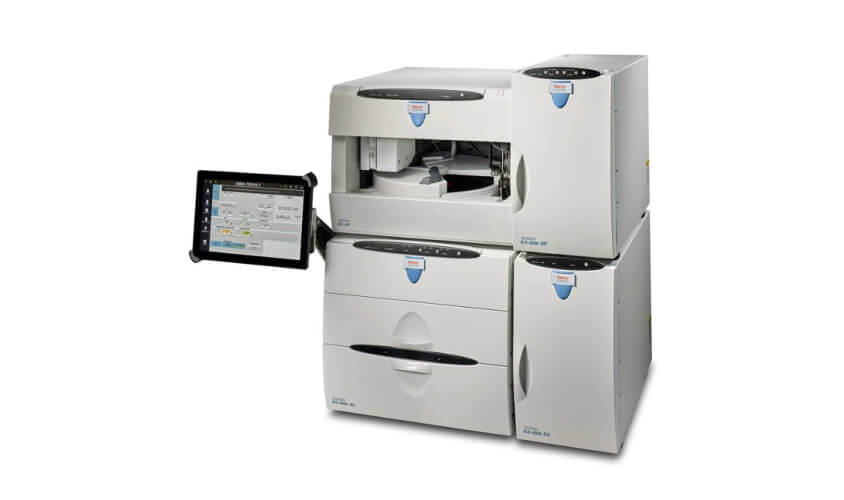
Chromatography Software
Thermo Scientific mass spectrometry platforms enable you to simplify your MS and MS/MS analyses, featuring intuitive and user-friendly interfaces that easily acquire, analyze, manage, and report data generated by any of LC-MS, GC-MS, IRM...
Read more
Chromatography Sample Preparation Systems
Sample preparation is a key step in analytical workflow. Thermo Scientific solutions include a multitude of automated platforms and consumables to enable fast, reproducible and easy sample preparation that fulfill any workflow requiremen...
Read more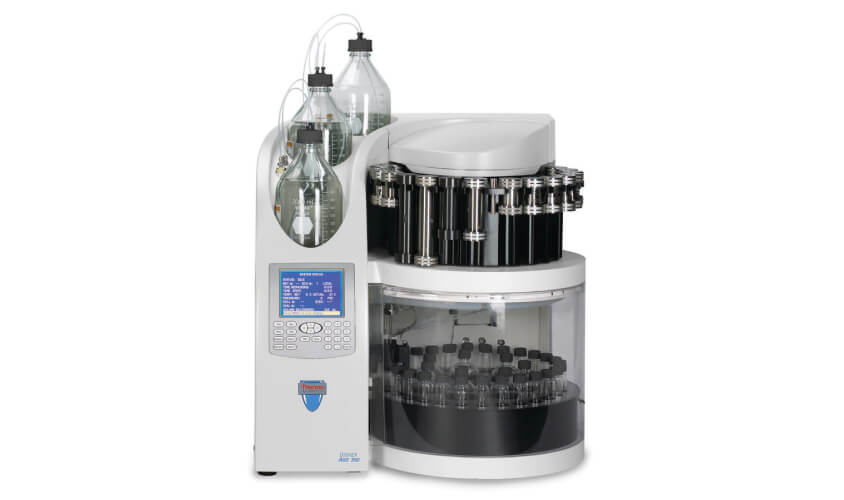
Chromatography Applications
Thermo Fisher Scientific HPLC, UHPLC, GC and IC systems allow you to separate complex samples with confidence. Extensive portfolio of reliable, innovative and easy-to-use Thermo Fisher Scientific HPLC, UHPLC, GC and IC systems and their ...
Read more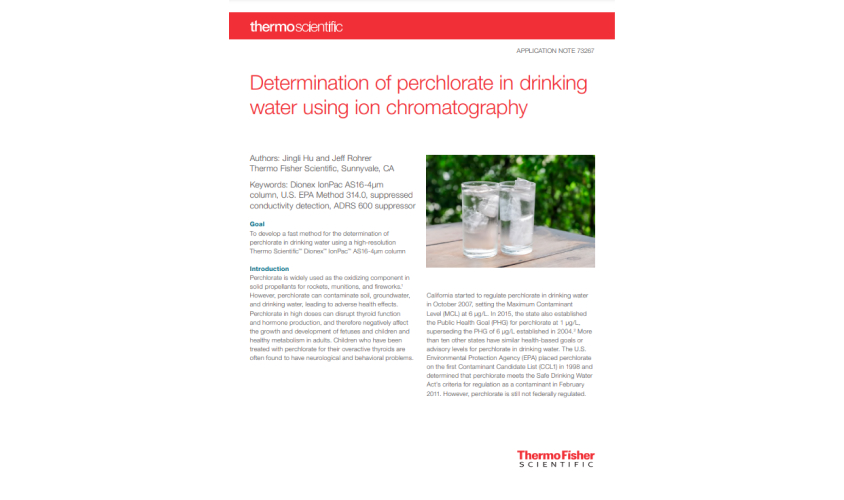
Chromatography columns and consumables
Clinical Chemistry Reagents
FAQ: Chromatography
Chromatography is a laboratory technique used to separate complex mixtures into individual components. It allows us to accurately identify what is present in a sample and determine the quantity of each component.
The main difference lies in the carrier medium. Liquid chromatography (LC) uses liquid solvents and is ideal for most molecules, while gas chromatography (GC) uses inert gases and is reserved for volatile substances.
The choice depends on the type of sample and the goal of the analysis. The most important factors are the chemical nature of your molecules (e.g., polarity) and the level of precision you aim to achieve.
This most commonly occurs due to column degradation, improper mobile phase flow rate, or injecting too large a sample volume into the system.
It depends on the number of analyses performed and the cleanliness of the samples. However, with proper maintenance, sample filtration, and regular flushing, a column can last for hundreds or even thousands of injections.
UHPLC is a more advanced version of HPLC. It operates at much higher pressures and uses modern column technology, resulting in significantly faster analyses, improved resolution, and reduced solvent consumption.
The most effective ways include switching to UHPLC (lower solvent consumption), using nitrogen instead of helium in gas chromatography, and performing regular preventive maintenance of the equipment.
High pressure usually indicates a blockage. Check the filters, capillary connections, and guard column. Regular sample filtration prior to injection is the best preventive measure.
Temperature directly influences the rate at which analytes travel through the column. Stable temperature control is essential for reproducible results, which is why the use of thermostatted column ovens is always recommended.
Impurities in solvents create baseline noise in the results and can permanently damage sensitive instrument components and the stationary phase of the column.