


Laboratory Equipment for Water Analysis and Monitoring
Automated Discrete (Wet Chemical) Analysis
Discrete Analyzer is an automated wet chemical analyzer in which the instrument performs tests on samples kept in discrete cells in contrast to a continuous flow analyzer. The Thermo Scientific Gallery Discrete Analyzers enable you to re...
Read more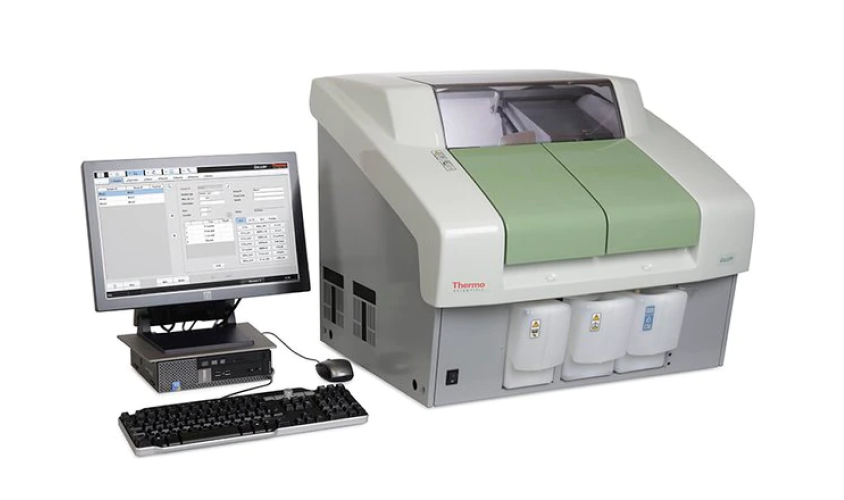
Photometers
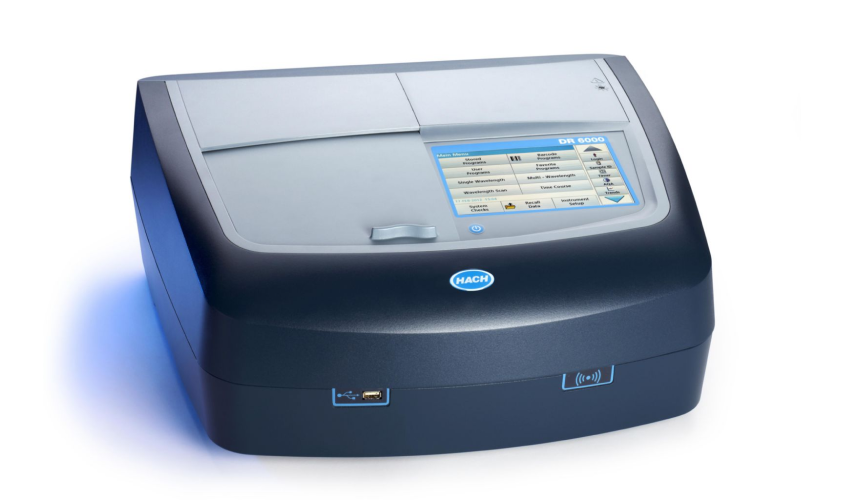
Spectrophotometry is a method used to determine the concentration of a chemical substance in solution by measuring the absorption of light as it passes through the sample. The basic principle is that each compound absorbs or transmits li...
Read more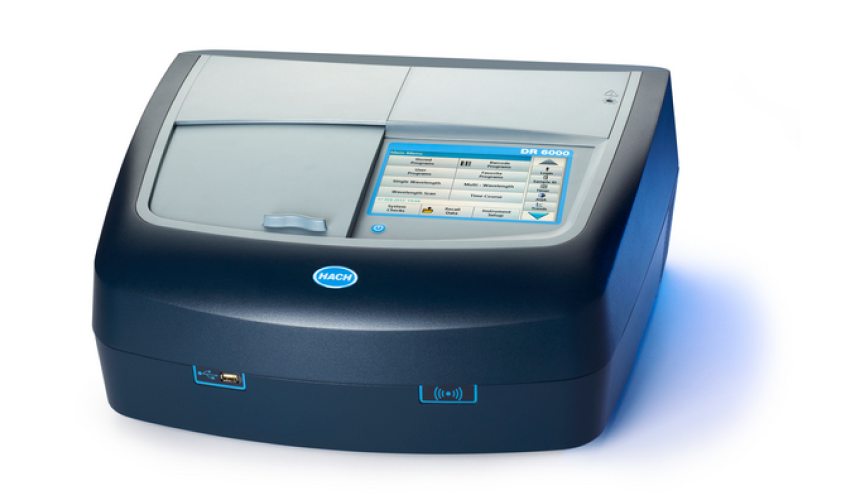
Digital Thermostats
Many samples require a digestion before parameters can be determined. Hach offers thermostats that are pre-programmed for many test parameters, have a unique one-key operation and heat up quickly - from ambient temperature to 150 °C in l...
Read more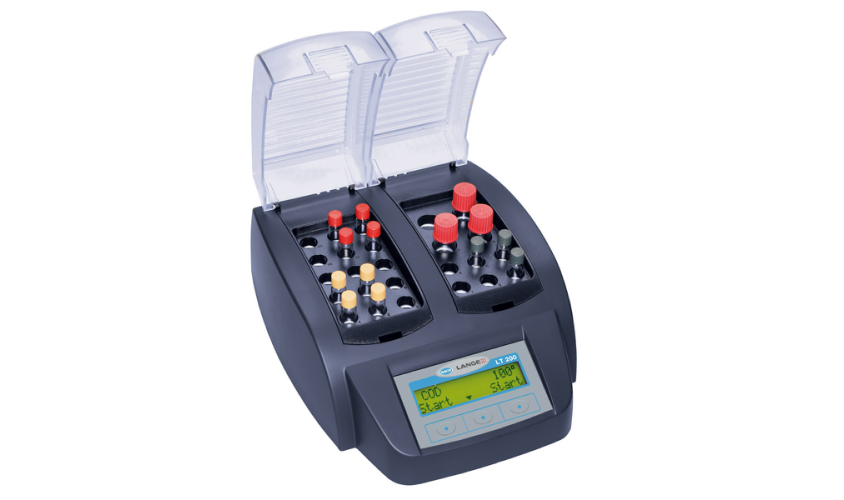
Turbidimeters
Turbidity is the measure of the intensity of light transmitted through a liquid sample. Due to the presence of suspended matter, such as clay particles, microscopic organisms, organic matter, and colloidal particles, water can become tur...
Read more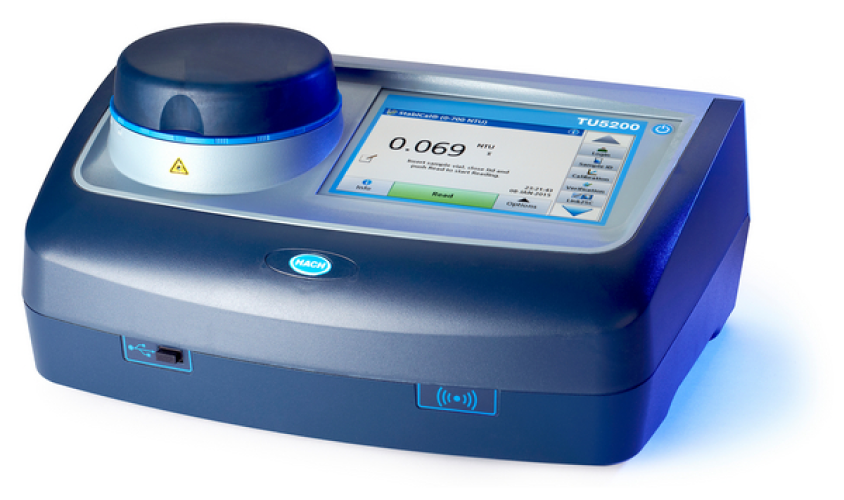
Electrochemical Analysis (pH meters, conductometers, multimeters and electrodes)
Hach offers three different instrument series for measurements of pH, ORP, conductivity, LDO, BOD and other ISE parameters, each of the series containing at least three different models.
Read more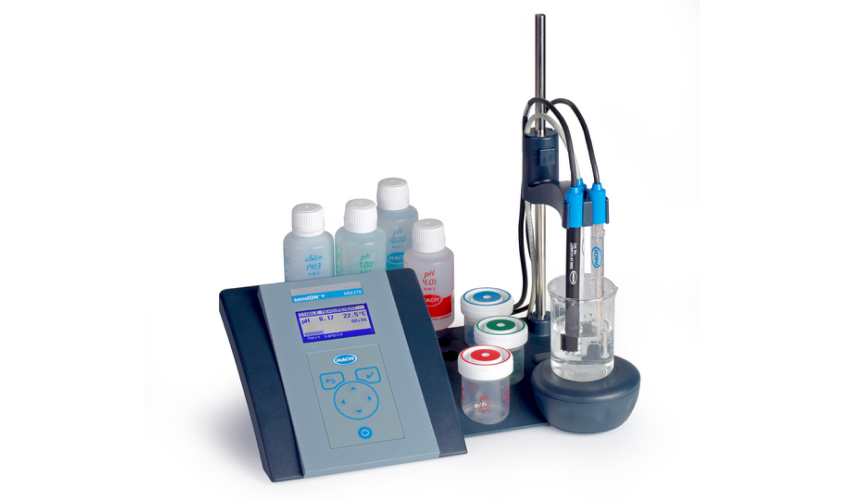
Titration Systems
Performing a manual titration is a very subjective process. Hence, measurements can vary significantly from operator to operator even if they are performed in the same lab with the same equipment. As many industries have evolved to level...
Read more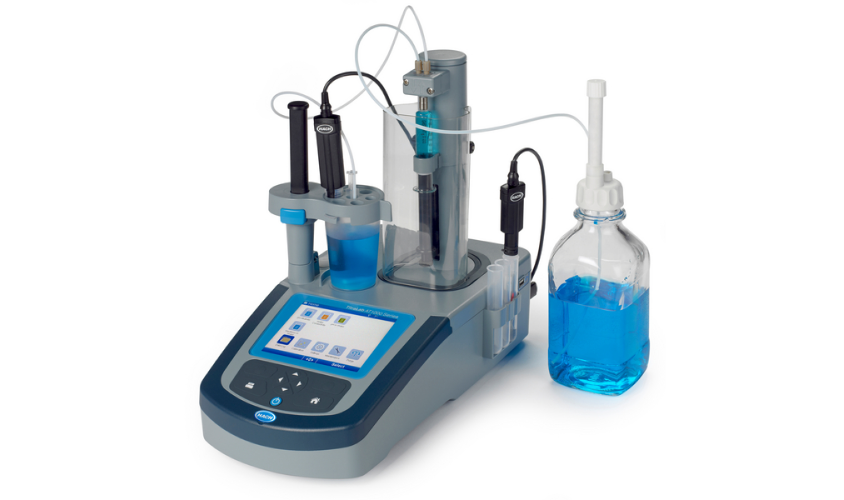
Reagents
FAQ: Laboratory Equipment for Water Analysis and Monitoring
Hach spectrophotometers (e.g., DR3900 or DR6000) offer pre-programmed methods, automatic barcode recognition on cuvettes, guided procedures, and high measurement accuracy. This reduces the possibility of operator error and speeds up the analysis.
In most cases, no. Hach methods come with factory-calibrated curves integrated into the instrument. Manual calibration is required only for specific applications or when internal QA/QC protocols require it.
The most common analyses include: ammonium, nitrate, nitrite, phosphate, chlorine, COD, TOC. Hach provides pre-validated methods for all of the above parameters.
Automatic titrators, such as the AT1000, provide precise and repeatable titrant dosing, automatic endpoint detection, and automatic result calculation. This eliminates subjective color-change evaluation and reduces operator error.
The most common analyses include alkalinity, total and calcium hardness, chlorides, sulfites, as well as specific industrial parameters in process waters.
Laboratory models, such as the HQ440d, offer higher accuracy, GLP documentation, printer/LIMS connectivity, and the ability to measure multiple parameters simultaneously (pH, ORP, conductivity, DO).
Calibration is recommended before each working day or before a measurement series, with regular verification using a control standard.
The nephelometric method measures the intensity of light scattered at a 90° angle relative to the light source. It is a standardized method according to ISO/EPA standards and is used to measure turbidity in NTU/FNU units.
The TU5200 uses 360° x 90° light detection with a laser source. Advantages include: greater stability and repeatability, reduced need for cuvette chamber cleaning, lower sensitivity to scratches and dirt on the outer surface of the cuvette, and excellent precision in the low turbidity range (drinking water).
Systems such as the BODTrak II measure the pressure drop caused by oxygen consumption during biological degradation of the sample. The advantage is automated continuous monitoring without daily manual dissolved oxygen readings.