


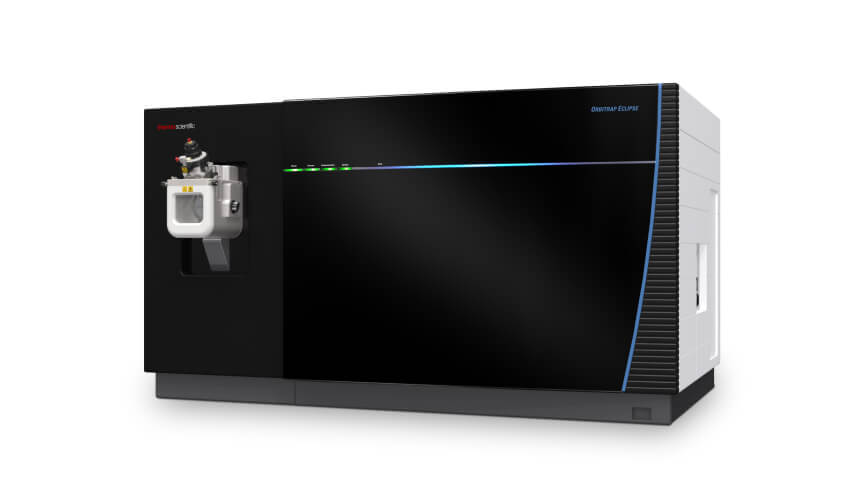
Liquid Chromatography Mass Spectrometry (LC-MS)
The next generation Thermo Scientific liquid chromatography mass spectrometry (LC-MS) systems deliver on ease without sacrificing high performance. A unified instrument architecture enables same performance accessories between systems, f...
Read more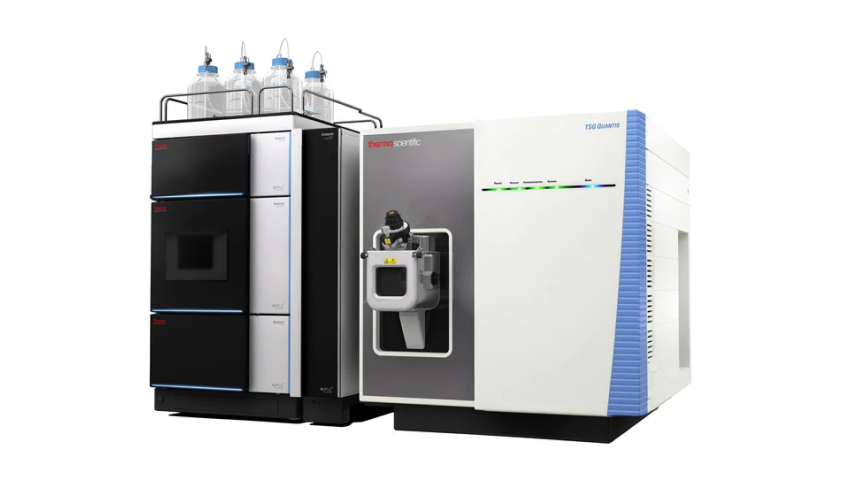
Gas Chromatography Mass Spectrometry (GC-MS)
Thermo Scientific's gas chromatography-mass spectrometry (GC-MS) systems offer sensitive and reproducible results for the most challenging application - even those involving complex matrices - enabling users to extract more information f...
Read more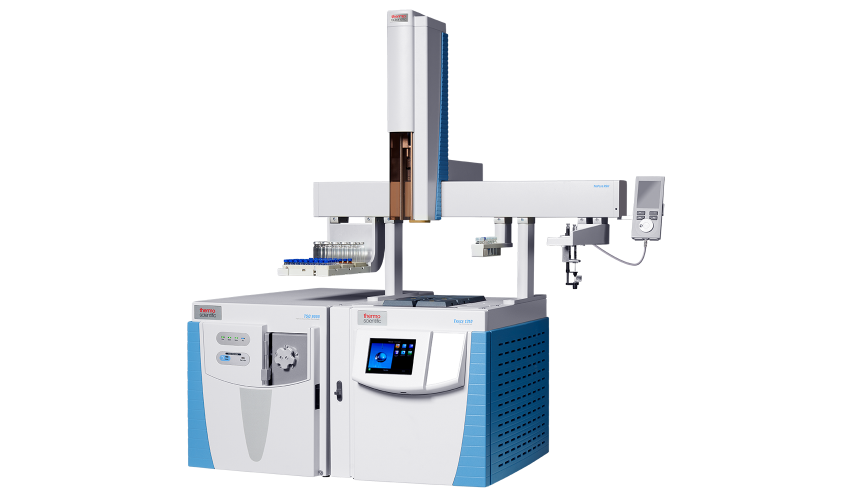
Isotope Ratio Mass Spectrometry (IRMS)
Isotope Ratio Mass Spectrometry (IRMS) enables understanding the origin of a compound and its history through its isotopic composition. Thermo Scientific isotope ratio mass spectrometers enable precise and sensitive measuring of isotopi...
Read more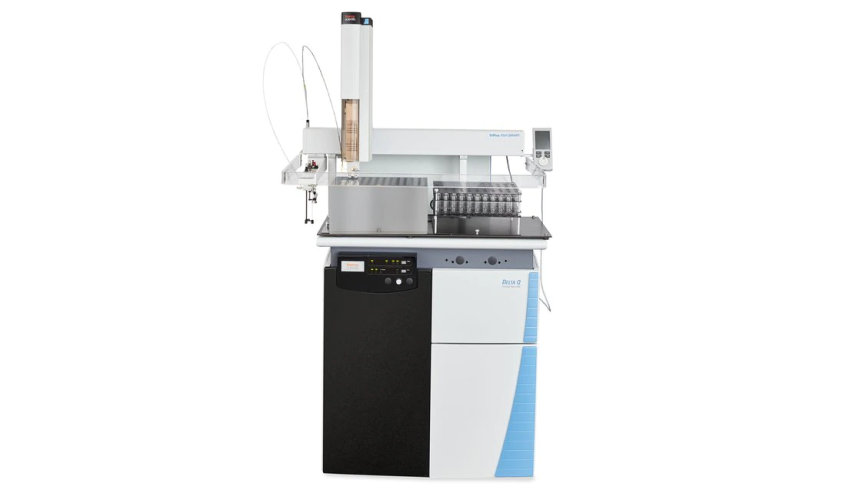
Mass spectrometry software
Mass spectrometry software platforms simplify your MS and MS/MS analyses. They feature intuitive and user-friendly interfaces that easily acquire, analyze, manage, and report data generated by LC-MS, GC-MS, IRMS, and ICP-MS systems. Comb...
Read more
Gas Generators (Nitrogen, Hydrogen and Air)
The Peak Scientific's wide variety of nitrogen, hydrogen and zero air gas generators covers a broad range of applications including GC & GC-MS, LC-MS, ICP-MS and FT-IR. The Peak Scientific on-site gas generators offer a practical and...
Read more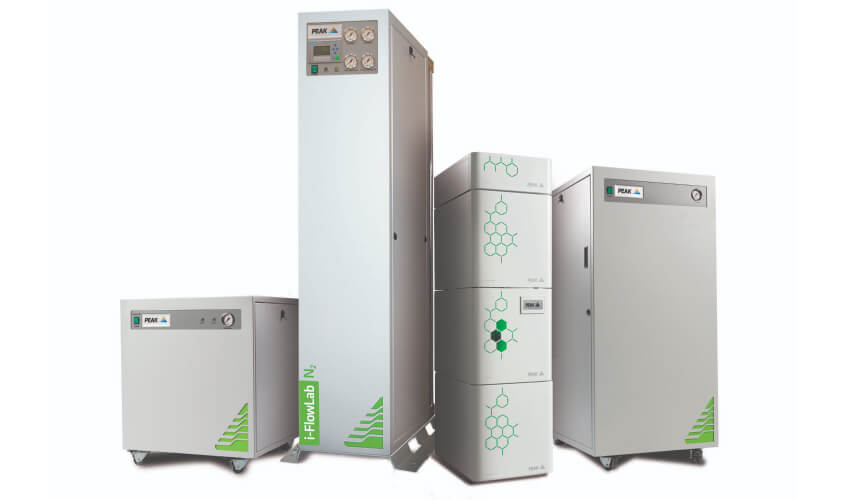
Certified Reference Materials
Lab Instruments manufactures ready-to-use kits containing mixtures of hundreds of standard pesticides for the calibration of scientific analytical instruments such as GC-MS/MS, GC-HRMS, LC-MS/MS, LC-HRMS, etc. Lab Instruments has certifi...
Read more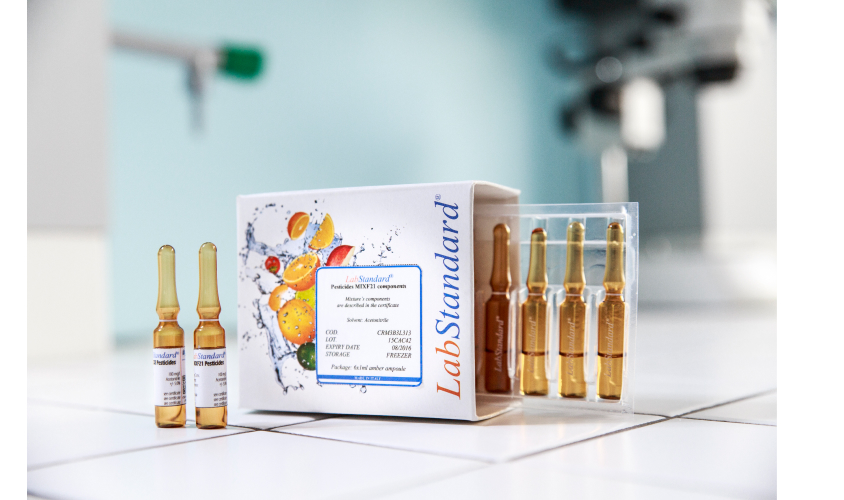
Mass Spectrometry Applications
Thermo Scientific has developed an extensive collection of various mass spectrometry related applications, applicable across diverse fields, proteomics, forensic toxicology, pharma/biopharma research, metabolomics, clinical research, env...
Read more
Ion Chromatography Mass Spectrometry (IC-MS)
FAQ: Mass spectrometry
Thermo Scientific™ Orbitrap™ is a high-resolution accurate-mass (HRAM) analyzer technology. Systems such as Thermo Scientific™ Q-Exactive™ combine a quadrupole mass filter (for ion selection) with an Thermo Scientific™ Orbitrap™ detector. While all Thermo Scientific™ Orbitrap™ systems focus on ultra-high resolution, the Thermo Scientific™ Q-Exactive™ series additionally provides MS/MS selectivity and is ideal for both targeted and untargeted screening analyses.
For optimal performance and to maintain mass accuracy within specifications (e.g. <3 ppm), external calibration is recommended every 24 to 48 hours using standard calibration solutions (e.g. Pierce Calibration Solutions). When internal calibration (lock mass) is used, long-term stability can be extended.
H-ESI (Heated Electrospray Ionization) is an enhanced version of electrospray ionization that uses additional gas heating to improve desolvation. This enables more efficient ionization at higher mobile-phase flow rates (typical for UHPLC), reduces source contamination, and increases sensitivity across a wide range of compounds.
Yes. Thermo Scientific™ offers dedicated GC-MS systems such as the Thermo Scientific™ ISQ™ 7610 (single quadrupole) and Thermo Scientific™ TSQ™ 9610 (triple quadrupole), as well as the Thermo Scientific™ Orbitrap Exploris™ GC for high-resolution gas-phase analysis. Systems can be configured for rapid source exchange without breaking vacuum using Vacuum Interlock technology.
The primary acquisition software is Thermo Scientific™ Xcalibur™. For specific applications, dedicated software packages are available, such as Thermo Scientific™ Compound Discoverer™ (small molecules/metabolomics), Thermo Scientific™ Proteome Discoverer™ (proteomics), or Thermo Scientific™ TraceFinder™ (routine quantification). Software licenses are typically defined during the initial quotation, with options for later upgrades. Today, it is also possible to integrate the entire software workflow into a single platform using Thermo Scientific™ Chromeleon™ CDS.
Preventive maintenance is typically performed once per year and includes cleaning of the ion source and ion optics, replacement of oil in rotary pumps, inspection of the vacuum system, calibration of electronics, and performance testing using standards. Regular maintenance significantly reduces the risk of unplanned downtime.
High sensitivity in Thermo Scientific™ TSQ Altis™ or Quantis systems is achieved through Thermo Scientific™ Active Beam Guide™ technology, which reduces noise from neutral particles, and segmented quadrupoles that enable faster ion transmission and shorter dwell times without signal loss. Additional contributions come from advanced electron multipliers, while the latest mass spectrometers also incorporate ion-vector technology to further enhance sensitivity.
No. MS/MS (fragmentation) is available on triple quadrupoles (Thermo Scientific™ TSQ™), ion traps, and hybrid systems such as the Thermo Scientific™ Orbitrap Exploris™ or Thermo Scientific™ Tribrid™ series. Single quadrupole instruments (e.g. Thermo Scientific™ ISQ™ or MSQ Plus) provide only molecular mass information (full scan) and are not intended for structural characterization via fragmentation.
Mass spectrometers require high-purity gases, most commonly nitrogen for desolvation and argon as a collision gas. Stable electrical power is essential (a UPS is mandatory), as well as adequate room air conditioning, since temperature fluctuations can affect mass stability.
As an authorized distributor, we offer the complete range of original Thermo Scientific™ spare parts. Consumables such as ESI needles, pump filters, and dedicated LC columns (e.g. Thermo Scientific™ Vanquish™ or Thermo Scientific™ PepMap™ for proteomics) should always be selected using the original catalog numbers to ensure warranty validity.