


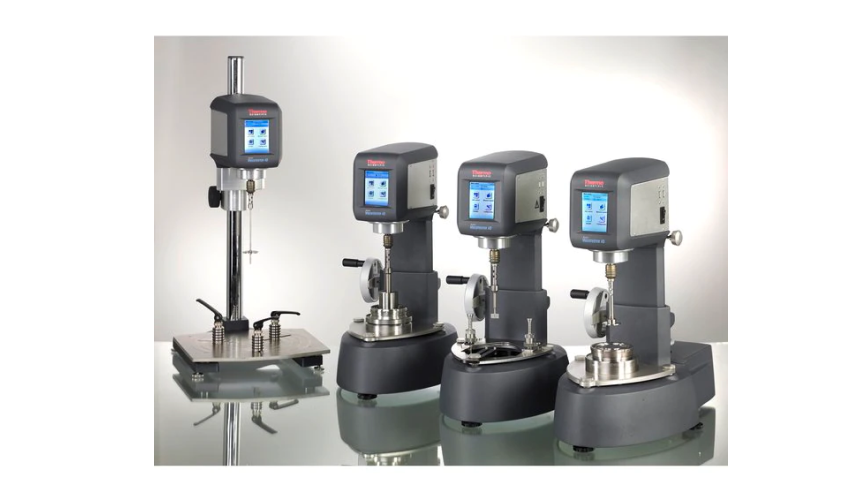
Rheometers
Thermo Scientific rheometers and viscometers are designed to accurately measure the properties of fluids and other complex materials, helping you get the most information from your material. Thermo Scientific's HAAKE rheometers are known...
Read more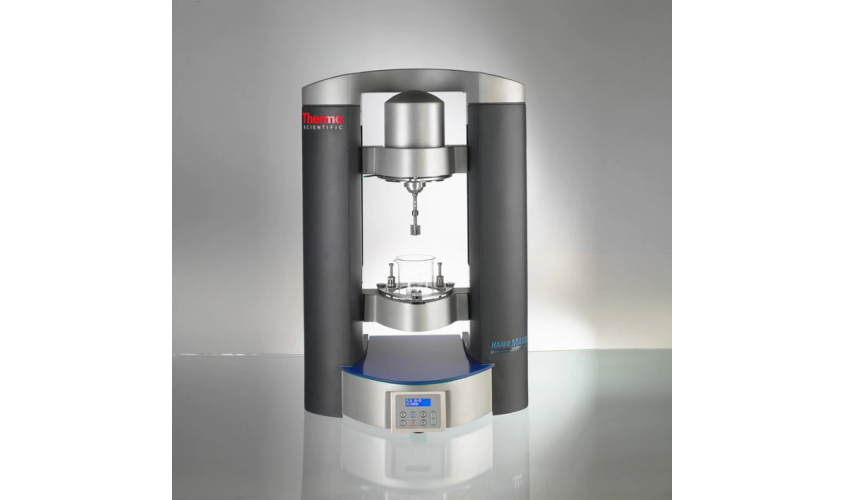
Viscometers
Thermo Scientific rheometers and viscometers are designed to accurately measure the properties of fluids and other complex materials, helping you get the most information from your material. Thermo Scientific's HAAKE viscometers allow...
Read more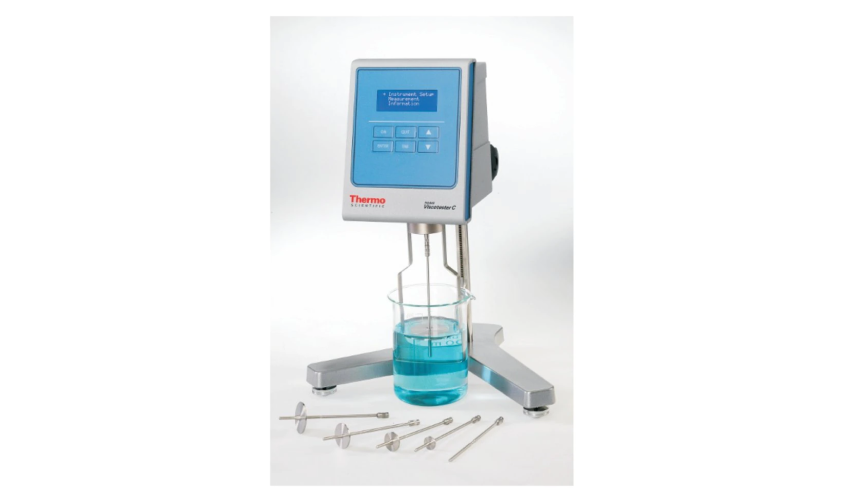
Extruders and Compounders
Thermo Scientific extruders and compounders enable you to achieve reliable scale-up, reduced time to market, and controlled, continuous processing. Extruders utilize pressure and agitation to facilitate the mixture of various specimens o...
Read more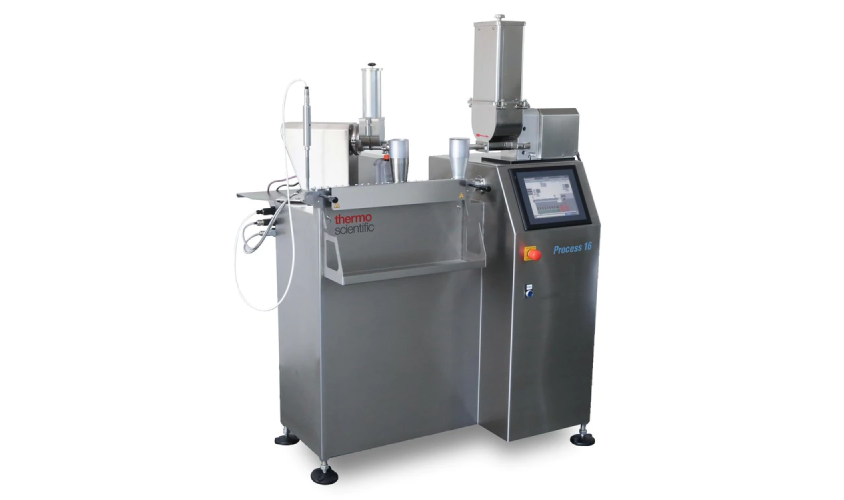
Polarimeters
Polarimeters are used to measure the rotation of polarized light as it passes through a sample of an optically active substance. These instruments are oftenly used in industries such as pharma, cosmetics, sugar refining, drug manufacturi...
Read more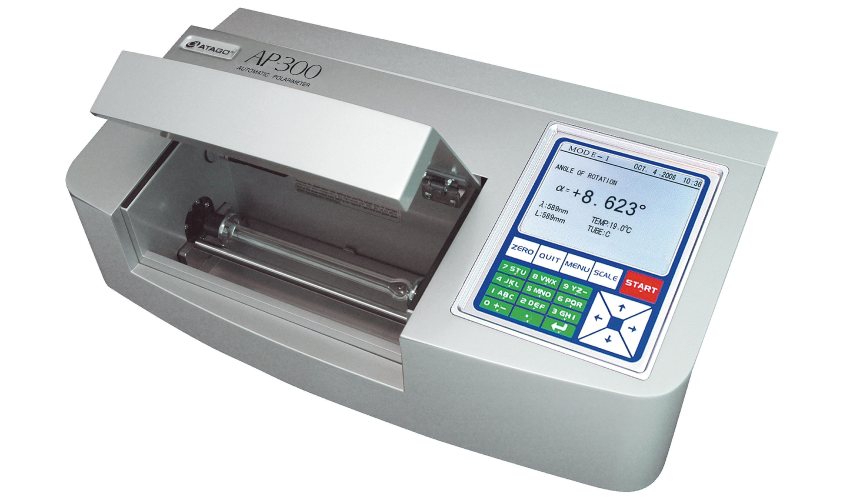
Refractometers
A refractometer is an analytical instrument that relies on the refraction principle to measure the refractive index (RI) of a substance. Being used to determine the purity and concentration of medication ingredients, measure the sugar co...
Read more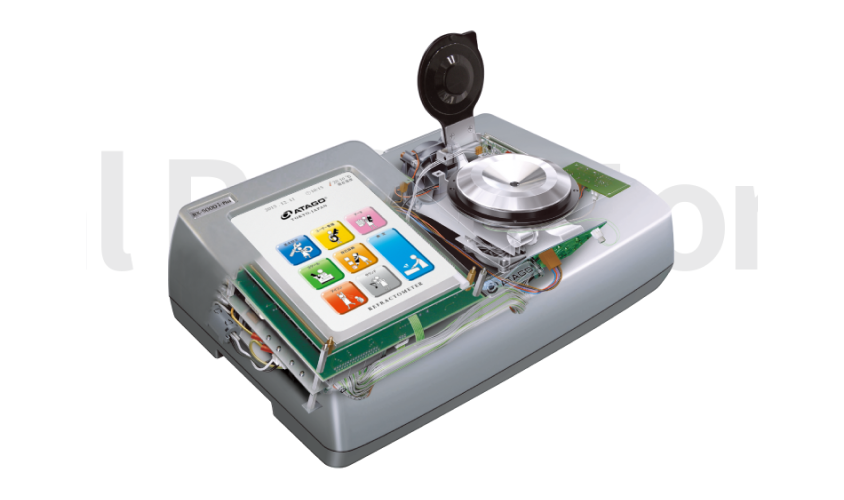
Material Characterization Applications

FAQ: Material Characterization
A refractometer is a measuring instrument that determines the refractive index of light in a liquid or solid substance. It is most commonly used to measure Brix values (sugar content), salinity, solution concentration, and similar parameters.
ATAGO refractometers are known for high accuracy and repeatability, Japanese manufacturing quality, ease of use, and a wide range of models (handheld, digital, laboratory, and process models).
ATAGO offers handheld refractometers (no power supply required, ideal for fieldwork), digital refractometers (fast and precise readings on a display), laboratory refractometers (high precision for quality control), and process refractometers (continuous measurement in production lines).
A polarimeter is an instrument that measures the optical rotation of substances, meaning how a sample rotates polarized light. It is most commonly used for the analysis of sugars and optically active substances.
ATAGO polarimeters are used for determination of sugar content (sucrose, glucose, fructose), quality control in the food industry, pharmaceutical analysis, and chemical and research testing.
A refractometer measures the refractive index of light (e.g., Brix). A polarimeter measures optical rotation (degrees or International Sugar Scale). They are often used together for comprehensive product quality control.
A viscometer only measures viscosity (flow resistance) of simple Newtonian fluids. A rheometer measures complex, non-Newtonian, and viscoelastic behaviors (how materials deform and recover), offering a wider range of shear rates and is essential for analyzing paints, polymers, foods, and pharmaceuticals.
Increased extruder output can typically be achieved by increasing the specific torque of the extruder (i.e., increasing motor power). Free volume is much more important than high torque, especially in small extruders. Our extruder design uses a high-free-volume approach with appropriate specific torque to generate the necessary throughput.
Twin-screw extruders are well-established tools for the mixing, compounding, and processing of materials. They are used in polymer, pharmaceutical, battery, and food applications to efficiently develop and produce high-quality products using a continuous process. The modularity gives process design flexibility for research, development, production, and quality control.
A torque rheometer is a highly modular measuring, mixing, and extrusion system for material development, process development, and quality control. Process-relevant material data can easily be obtained, including melting behavior, influence of additives, temperature stability, shear stability, melt viscosity, and more.