


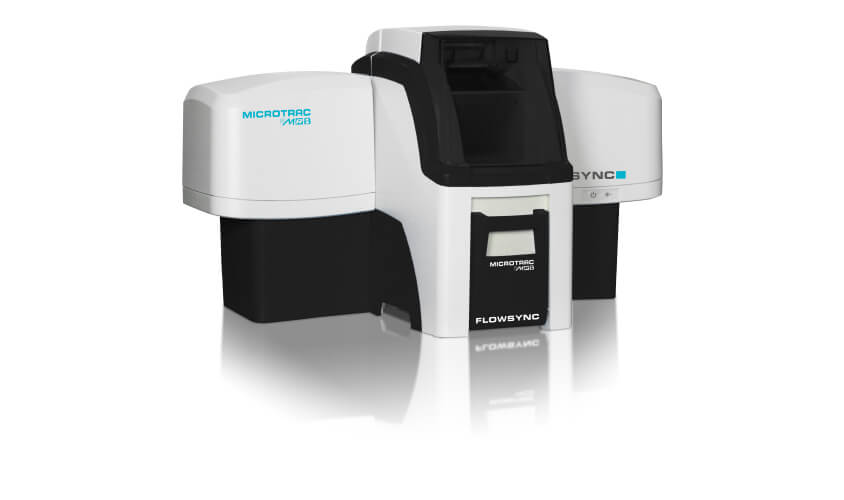
Particle Size and Shape Analysis
The size distribution of particles in a sample as well as their shape are of critical importance for many industries. As a leading supplier of particle characterization equipment, Microtrac MRB offers a broad range of optical particle an...
Read more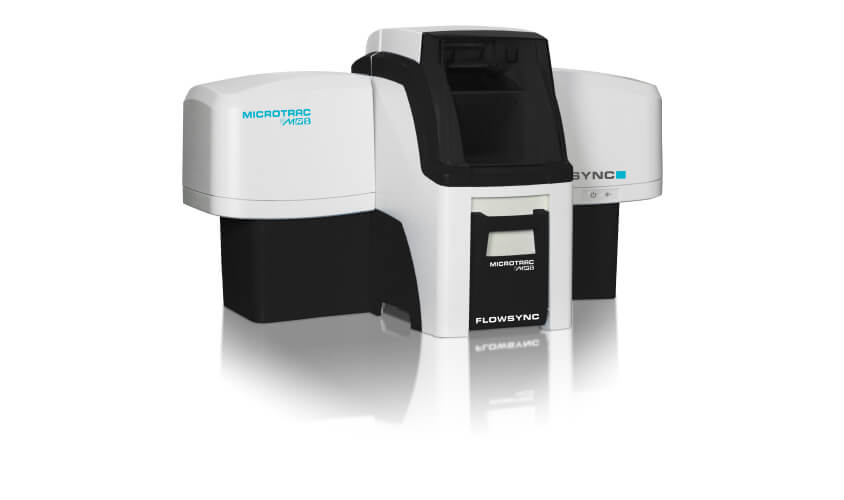
Gas Adsorption Measurement
Gas adsorption measurements can be utilized to determine specific surface area, BET value and porosity of powders. Additionally, they can aid determining sample density and even evaluating catalysts. Microtrac MRB is a leading manufactur...
Read more
Particle Characterization Applications
FAQ: Particle Characterization
Ensure the sample is representative of the whole batch. Properly disperse the sample, avoiding agglomeration. Use the correct, accurate optical model (refractive index) for your material.
Use a non-polar solvent like Isopar or alcohol instead of water. Ensure the sample particles remain intact and do not dissolve during analysis.
Static (SIA) involves stationary particles (check Camsizer or if you want combination Microtrac Sync). Dynamic (DIA) captures particles in motion, providing better, faster, and more reproducible results for larger or irregular particles (Camsizer).
Microtrac software provides various metrics (for example D10, D50, D90, mean size). Ensure you are focusing on the relevant percentiles for your product specification.
Samples must be pretreated (activated) to remove adsorbed water or contaminants, typically using the MICROTRAC BELPREP series, which applies heat and vacuum without damaging the sample structure.
Single-point BET is generally used for faster quality control, while multi-point BET provides more accurate, detailed, and reproducible data. Microtrac offers solutions for both QC and research.
Nitrogen is the standard, but you can use Argon or Carbon Dioxide or other gases.
Yes, the Microtrac Belsorp MAX X and related models allow for simultaneous measurement of multiple samples (for example up to four).
Ensure the sample pretreatment (degassing) was sufficient and identical for all samples, check for leaks in the sample cell, and verify the sample mass is appropriate for the expected surface area. The best solution is to order BELPREP from Microtrac.
Yes, Microtrac can offer online or process solutions where applicable.