


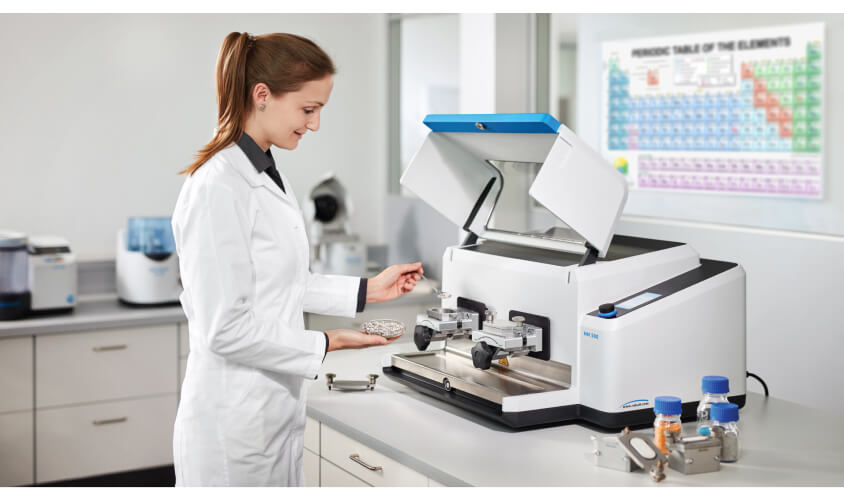
Laboratory Mills, Sieve Shakers and Pellet Presses
Retsch is a leading provider of neutral-to-analysis sample preparation and characterization of solids solutions. With a century of experience, Retsch develops size reduction and sieving equipment characterized by excellent performance, o...
Read more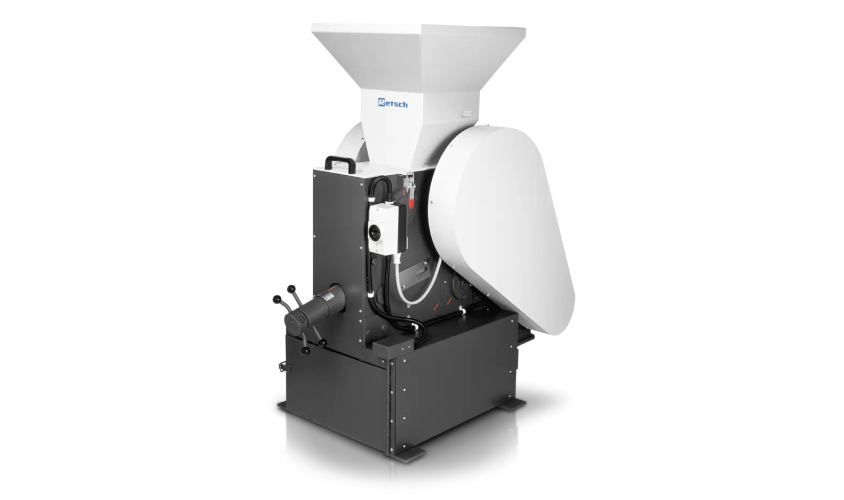
Fusion and Grinding Machines
Sample preparation of metals and materials to be analyzed using optical emission spectroscopy (OES) and X-ray fluorescence analysis (XRF) is becoming increasingly important. Even minor contamination or slightly defective surfaces on the ...
Read more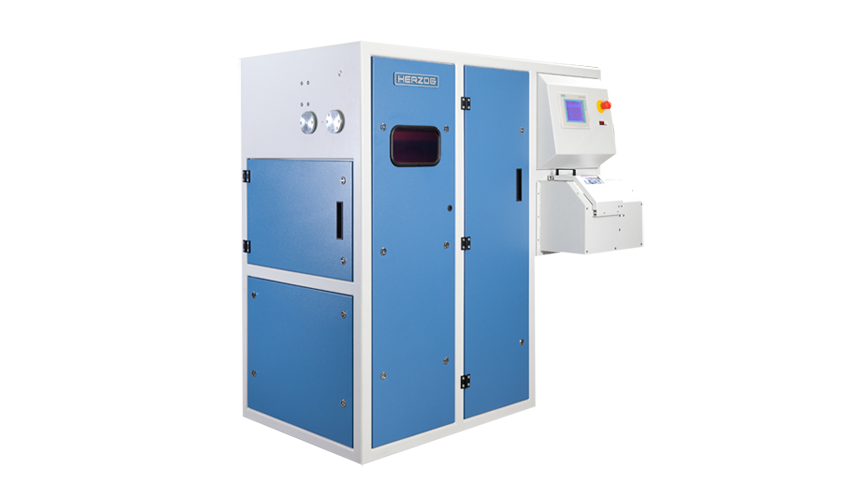
Digestion systems
With more than 50 years of experience, Berghof offers outstanding expertise in the manufacture of digestion and reactor systems. With the Berghof's speedwave microwave digestion systems and the digestec pressure digestion systems, you ca...
Read more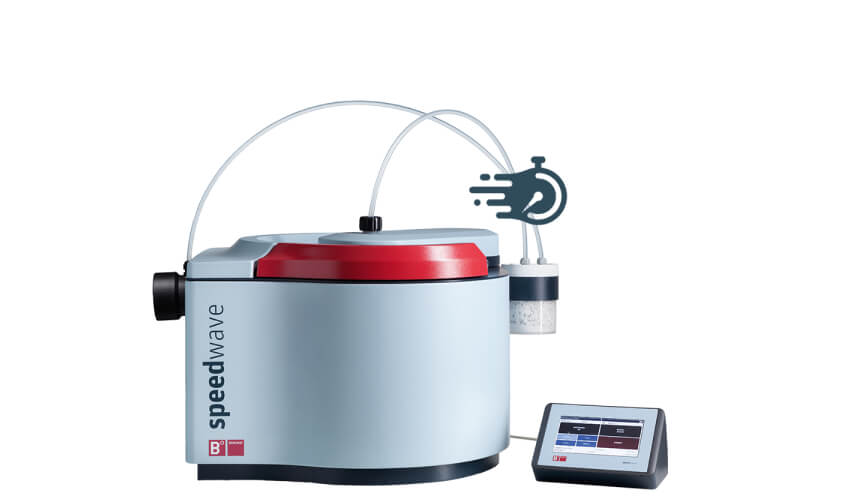
Reactor Systems
With more than 50 years of experience, Berghof offers outstanding expertise in the manufacture of digestion and reactor systems. Berghof's highpreactor high and low pressure reactors stand for easy handling, the highest quality and safet...
Read more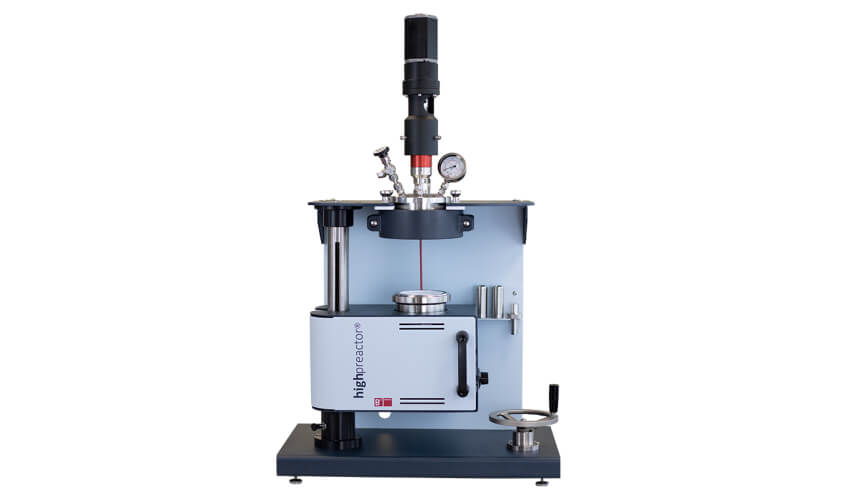
Solid Phase Extraction (SPE) Instrument
Accelerated Solvent Extractors (ASE)
Sample Heating, Stirring and Evaporation System
Evaporator for Concentrating or Drying Large-Volume Samples
FAQ: Sample Preparation Equipment
Our portfolio includes mills, sieves, presses, microwave digesters, accelerated solvent extractors (ASE), solid phase extraction (SPE) units, as well as filtration and centrifugation systems.
Capacity depends on the model – from a few grams to several hundred grams (or milliliters for liquid systems). Each instrument specifies its recommended maximum sample load.
Dedicated consumables are used — filter papers, SPE cartridges, membranes, and suitable solvents or reagents, depending on the application.
Yes, we offer pre-treatment methods (homogenization, centrifugation, filtration) and specialized extraction techniques designed for complex matrices.
Cleaning follows the manufacturer’s instructions, using appropriate solvents, ultrasonic baths, or laboratory glassware washers, with regular replacement of consumables.
The instruments are built from chemically inert materials (PTFE, PEEK) with minimal dead volume and protective components to prevent cross-contamination.
Instruments operating under pressure or high temperature are equipped with safety valves, thermal protection, and reinforced housings, with appropriate CE and ISO safety certifications.
Quality control involves the use of control samples, standards, blanks, and replicate analyses to ensure accuracy and repeatability of results.
Yes. In most cases, sample preparation systems can be directly connected to analytical instruments (e.g., GC, LC, ICP, MS) through autosamplers or interface modules for seamless automation.
Solid, semi-solid, and liquid samples across food & feed, pharma, cosmetics, clinical/forensic matrices, plus environmental samples (water, soil, waste, air filters) are supported.
Wetted parts are selected per application (PTFE, PEEK, stainless steel, glass). Specs cover compatibility with common solvents (MeOH, ACN, IPA), strong acids/bases, and oxidizers—per manufacturer charts.
Automated/accelerated extractions (e.g., ASE) and optimized SPE protocols significantly lower solvent consumption, runtime, and waste, while improving reproducibility.
Yes. We align configurations and consumables with target methods (EN/AOAC/ISO/USP/EP) and validate performance (accuracy, recovery, precision).