


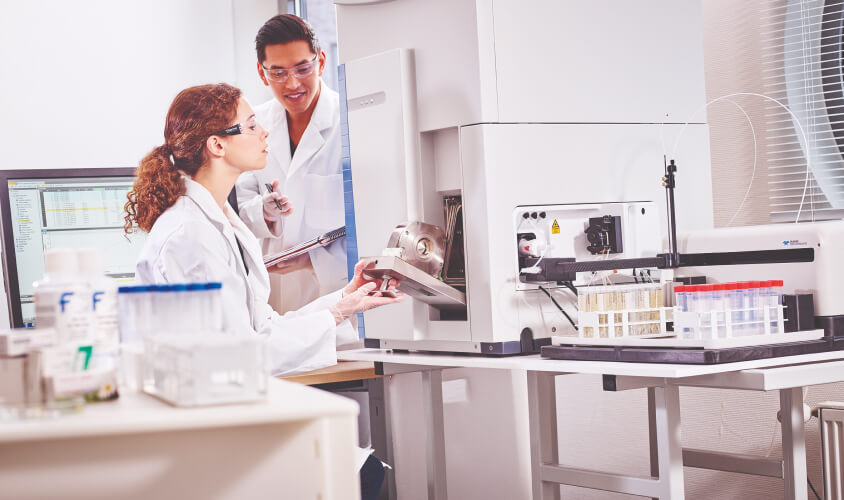
Chromatography
Chromatography is a process of separating components of a mixture by moving the solution of analytes in mobile phase (eluent) over a stationary phase (matrix). Depending on the aggregate state and chemical properties of the mobile and st...
Read more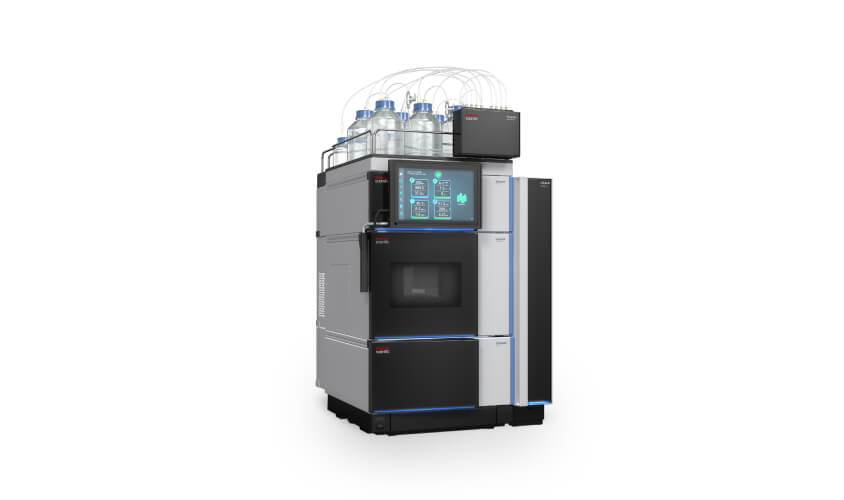
Mass spectrometry
Mass spectrometry is an instrumental technique of sample analysis based on measuring the m/z value (mass/charge) of chemical species of interest. Since the 80s, it has gained universal recognititon due to the development of data systems ...
Read more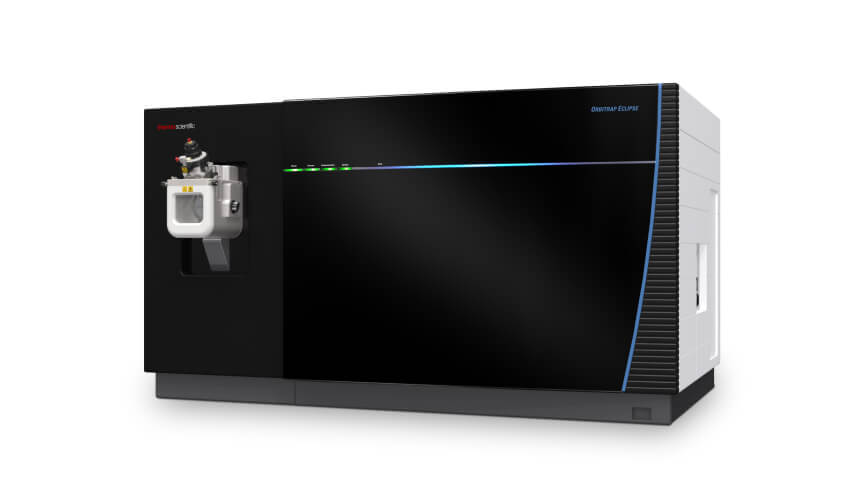
Molecular Spectroscopy
Molecular spectroscopy provides information on spectral lines observed during the excitation and deexcitation of molecules, in the form of rotational, vibrational and electronic spectra. There are three types of spectrometer systems used...
Read more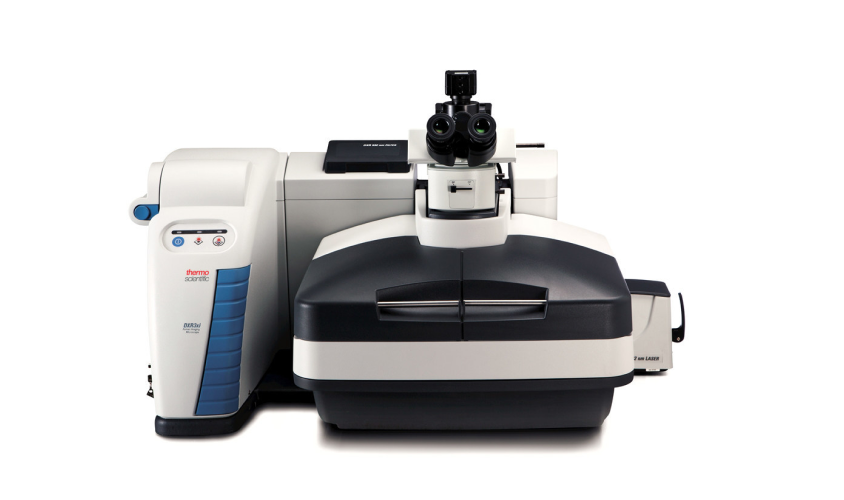
Elemental Analysis
The process in which a sample is analyzed for its elemental and sometimes isotopic composition is called elemental analysis. Like many other analytical techniques, elemental analysis can be qualitative (determining the elements present) ...
Read more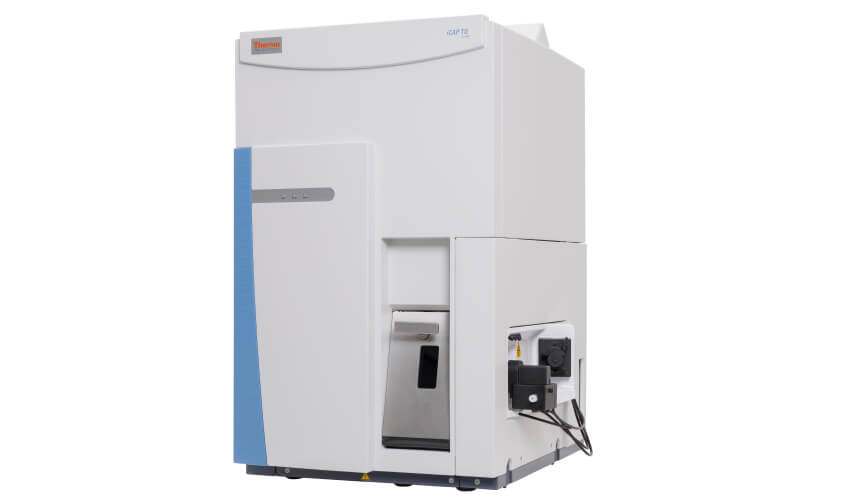
Electron microscopy
Electron microscopes use a beam of accelerated electrons to generate an image, with the electrons having a significantly shorter wavelength than visible and UV light used in optical light microscopes. The very nature of the electron allo...
Read more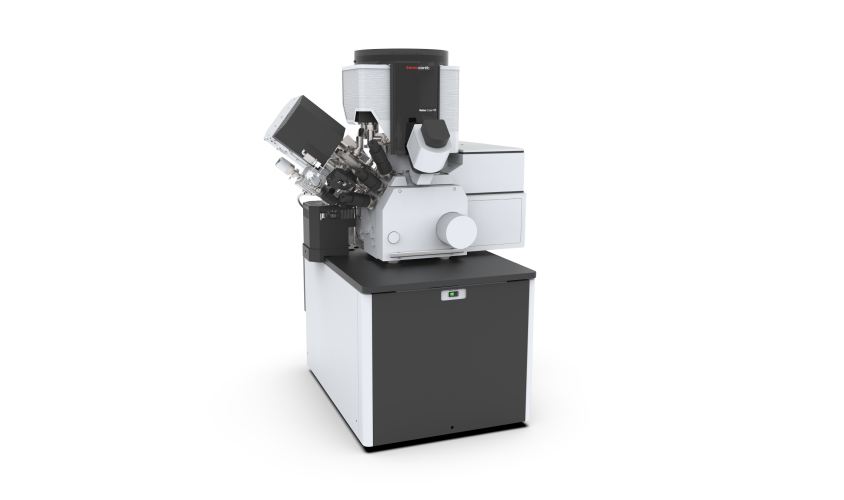
Particle Characterization
Particle characterization portfolio contains three product lines - scattered light analysis, image analysis and surface and porosity measurements. Microtrac MRB is a leading supplier of laser diffraction (LD) systems - a versatile method...
Read more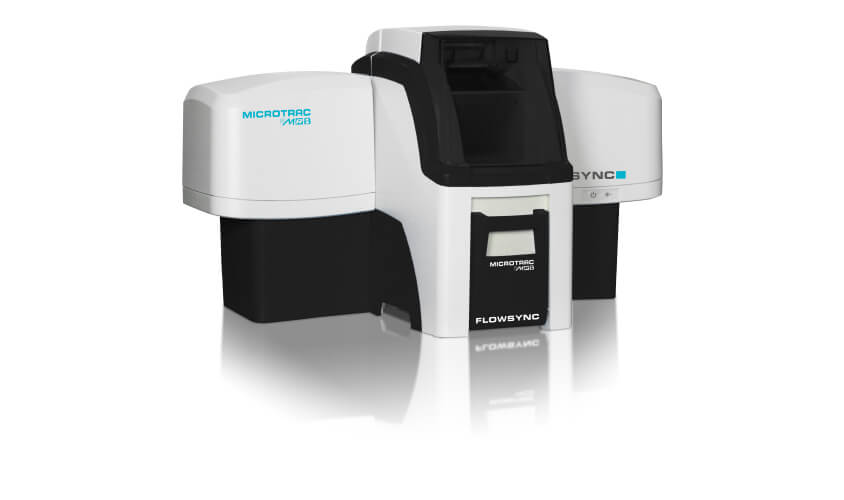
Material Characterization
As a fundamental process in the field of materials science, material characterization refers to the process in which a material's structure and properties are probed and measured. Material characterization techniques study the microscopi...
Read more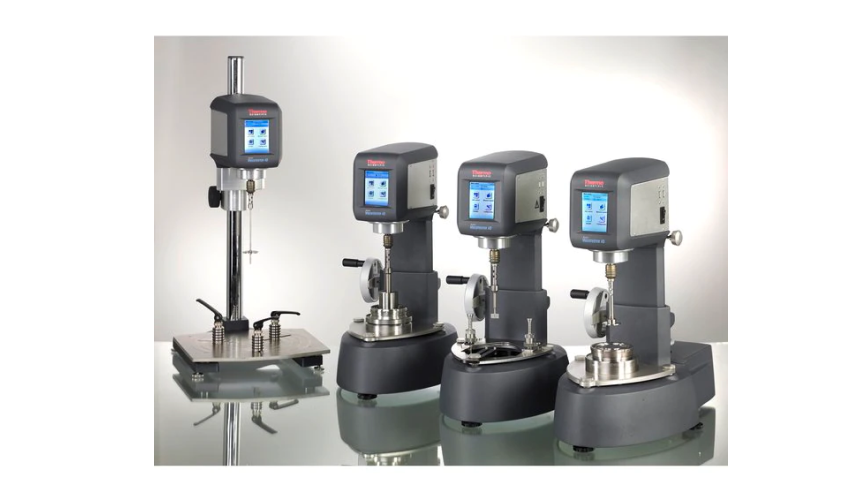
Dissolution Testing and Physical Testing
Dissolution tests are used in the pharma industry in order to characterize dissolution properties of the active drug, the active drug's release, as well as the dissolution from a dosage formulation. While standard tablets are typically t...
Read more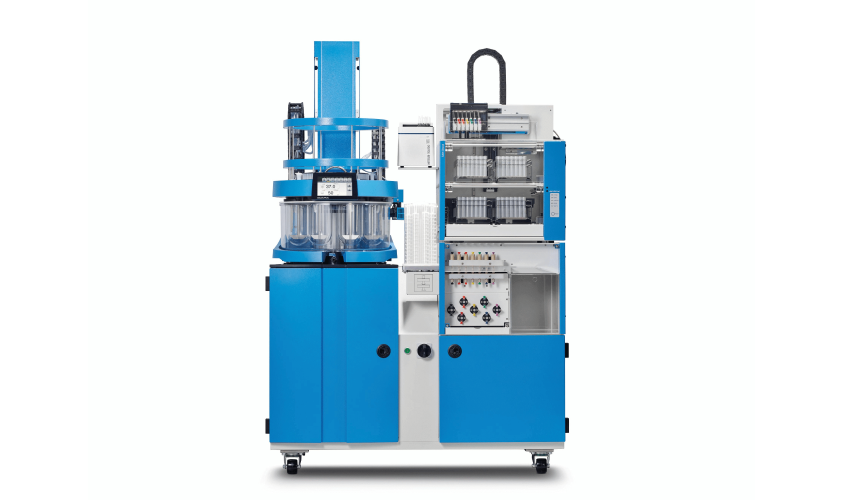
FAQ: Analytical Equipment
Our portfolio contains HPLC, UHPLC, GC, as well as hyphenated systems (LC-MS, GC-MS, LC-MS/MS, GC-MS/MS).
We use top brand models (eg Thermo Scientific) that allow for high resolution and sensitivity, depending on detector configuration and operating conditions.
Our instruments support a wide variety of detectors — UV / diode array (PDA), fluorescence, refractometric, CAD, as well as a highly diversified mass spectrometry portfolio (MS, tandem MS, HRMS).
A: The number of samples depends on the analyte, matrix and instrument configuration. Typically, for liquid samples the volume can be from a few microliters or even nanoliters, up to milliliters, and detection limits can be in the ppb (micrograms per liter) domain or better depending on the method.
GC systems require highly purified gases (helium, hydrogen or nitrogen), appropriate gas lines, pressure regulators, and clean-up (filters). The definition of requirements and protective components of the gas infrastructure is contained in the offer.
We offer initial qualification services (IQ/OQ), as well as method validation support (linearity, repeatability, detection limit…). The user may request instrument testing with their own samples.
Yes – the instruments come with appropriate control software that allows acquisition, peak integration and processing, data export and reporting. The software is licensed and may have modules for statistics, security and audit.
Chromatography data system (CDS) is the ideal solution.
Regular cleaning (eg system, injectors), replacement of columns or consumables (filters, septa) and scheduled service inspections are highly recommended and often mandatory. We offer system OQ/PQ, cleaning of ion sources (at MS), refit of vacuum pumps etc.
Instruments can be connected to automatic sample preparation modules (autosamplers, robots, automated lines), with synchronization via software interfaces.
In most modern configurations, yes – it is possible to monitor status, report errors, alarms via network interfaces or remote services (remote diagnostics).