


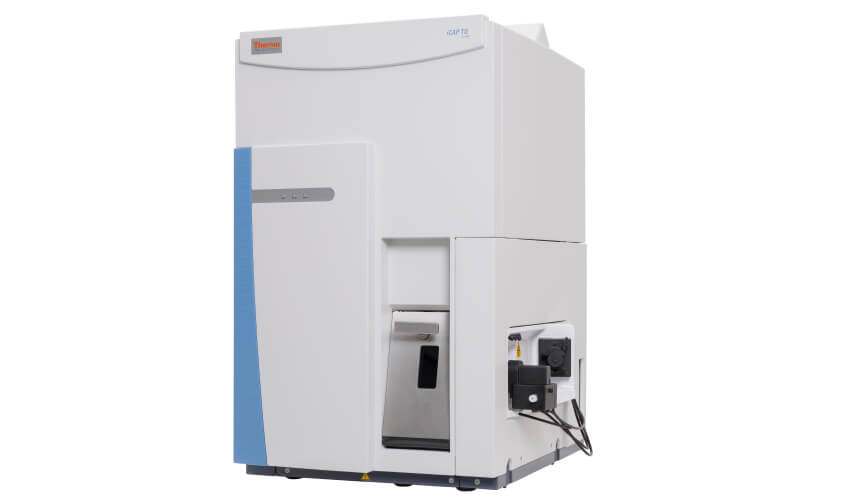
Optical Emission Spectrometry (OES)
Optical emission spectrometry (OES) Arc/Spark excitation enable performing rapid elemental analysis of solid metallic samples. This technique meets the most demanding analysis needs of the metals industry, ranging from production control...
Read more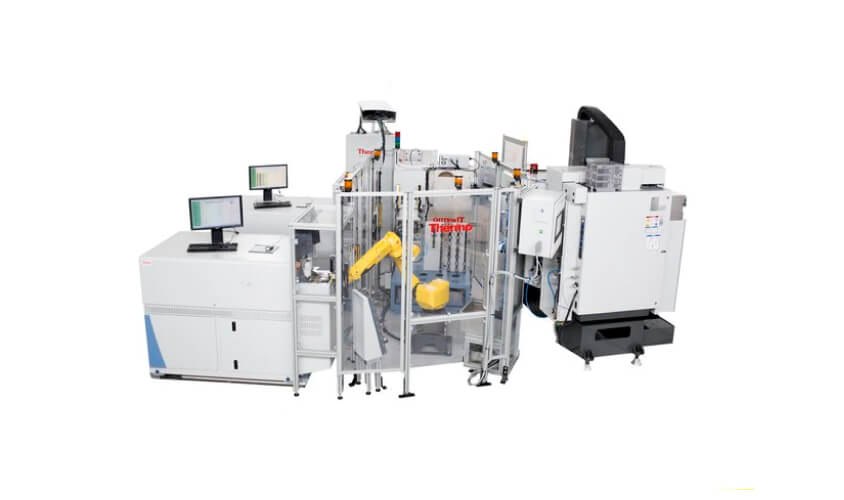
Inductively Coupled Plasma-Optical Emission Spectrometry (ICP-OES)
The Thermo Scientific iCAP PRO Series ICP-OES combines powerful multi-element capability with flexibility, in order to make the lab ready for any challenge. The iCAP PRO Series produce consistent, reliable data quickly and easily. These ...
Read more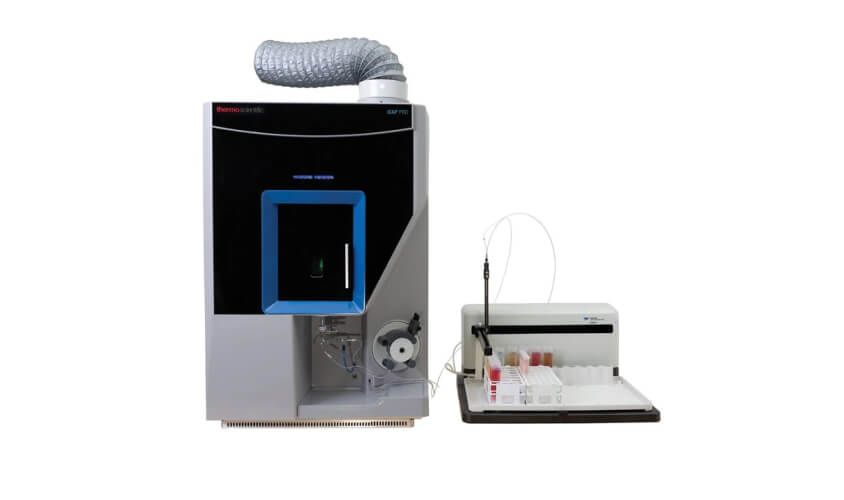
Inductively Coupled Plasma Mass Spectroscopy (ICP-MS)
Thermo Scientific's innovative ICP-MS solutions are designed to meet the needs of any lab, from high-throughput and routine to cutting-edge research facilities. With advanced performance for reliable and accurate data generation and simp...
Read more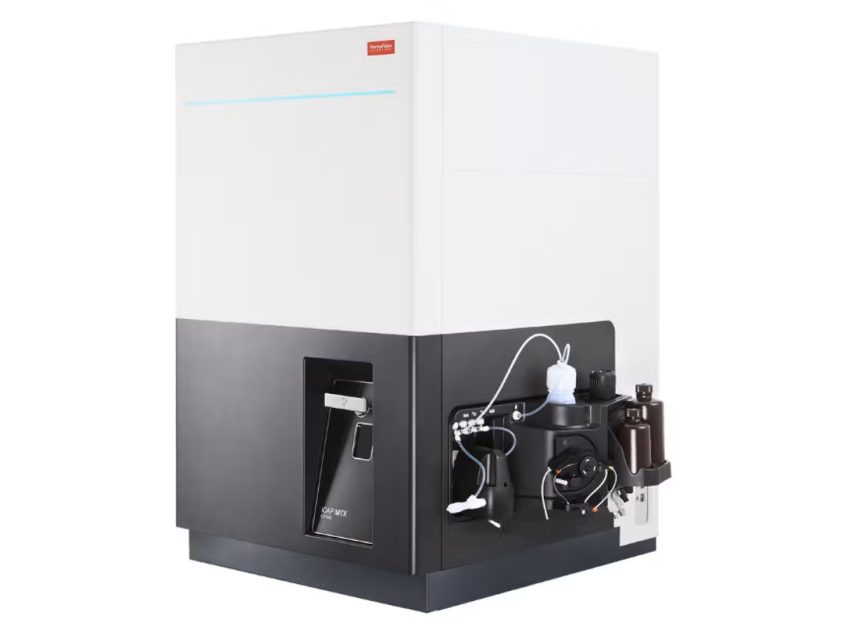
Organic Elemental Analysis (OEA)
Experience ultimate simplicity, precision, and cost effectiveness for the quantification of carbon, hydrogen, nitrogen, sulfur, and oxygen (CHNS/O). Providing a fast, reliable, and accurate 24/7 analytical solution to a range of industri...
Read more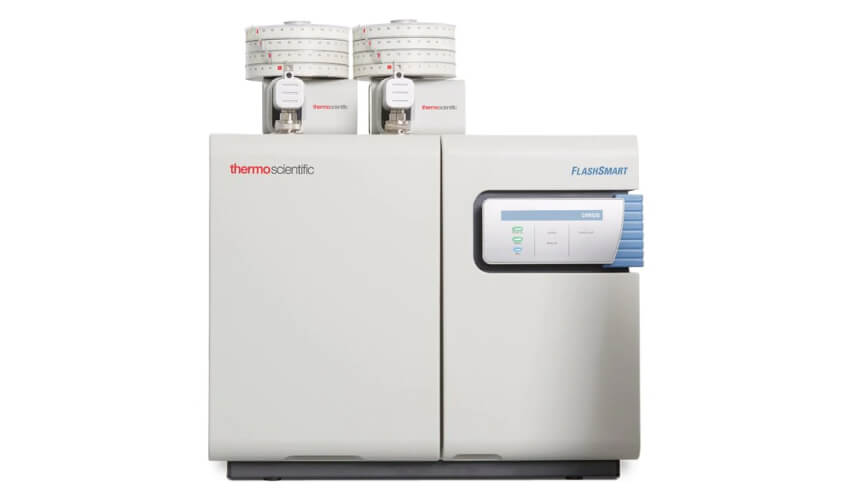
Glow Discharge Mass Spectrometry (GD-MS)
Glow Discharge Mass Spectrometry (GD-MS) is the ultimate tool for direct analysis of high-purity solid materials, as well as semiconductors, and ceramic powders such as Al2O3 or SiC. Depth profiling applications range from nanometer to 1...
Read more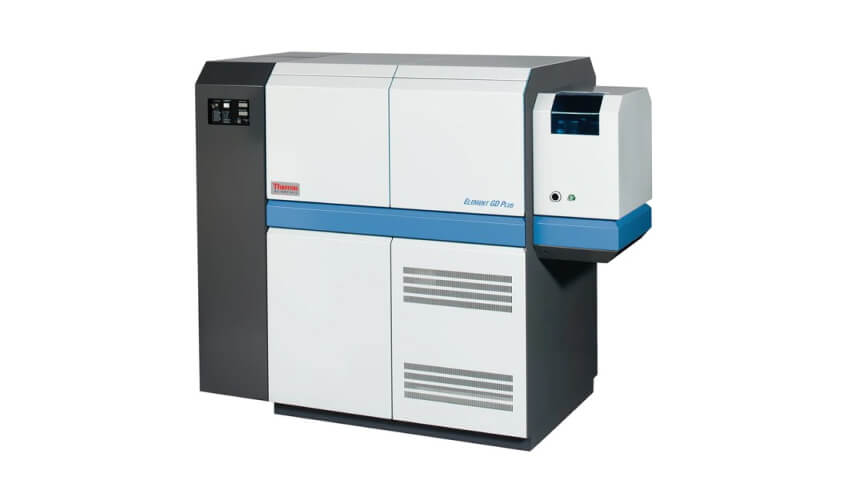
X-Ray Fluorescence (XRF)
Achieve rapid material characterization and analysis in order to ensure product chemistry specifications are met. X-Ray Fluorescence (XRF) technology is the gold-standard for accurate, nondestructive elemental analysis in a wide range of...
Read more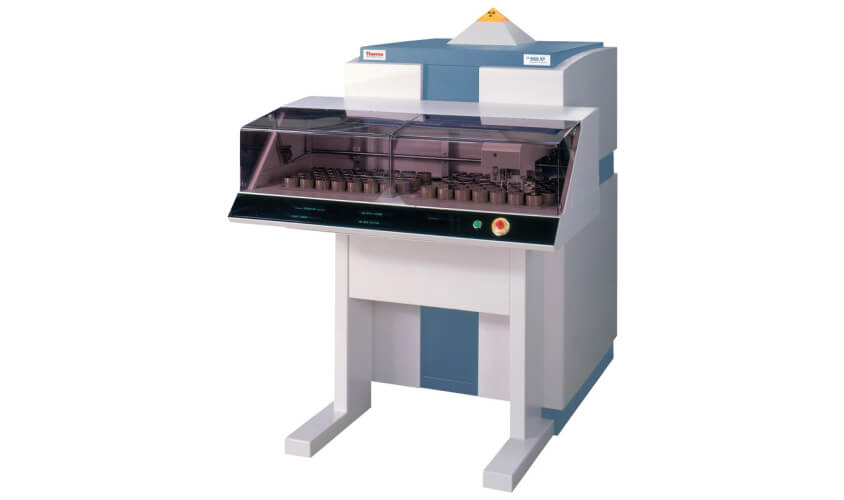
X-Ray Diffraction (XRD)
X-ray diffraction (XRD) is a versatile and nondestructive analytical technique that helps you quickly obtain detailed phase and structural information of your crystalline materials. XRD analysis provides high-performance results in a wid...
Read more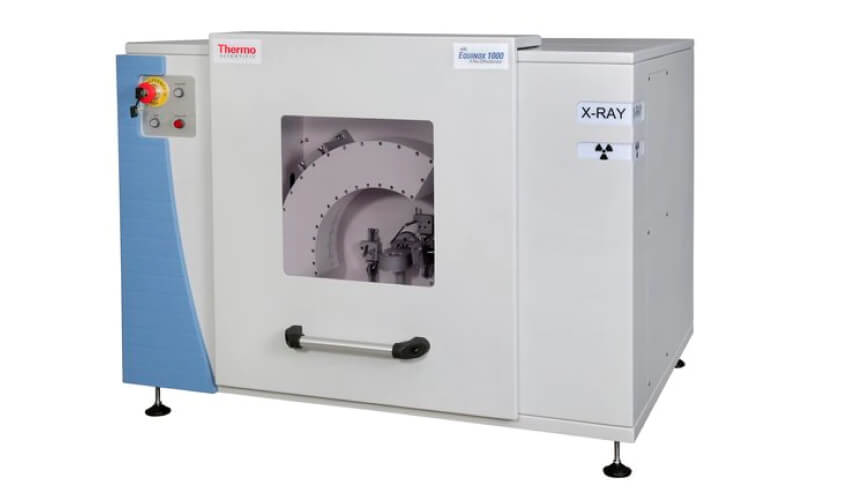
X-ray Photoelectron Spectroscopy (XPS)
XPS spectrometers are used for the advanced surface analysis of materials. As the demand for high-performance and more complex materials increases, so does the importance of surface engineering. The surface of material is the point of in...
Read more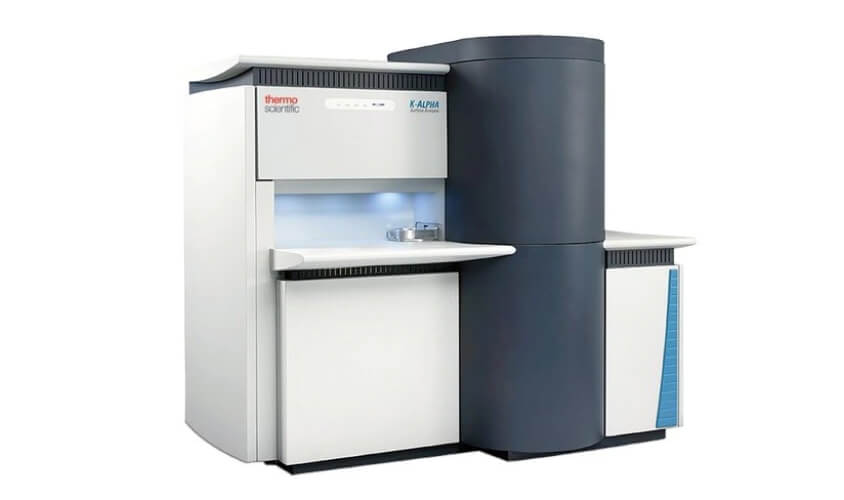
Elemental Analysis Software
An intuitive, user-friendly platform software, designed to simplify workflows and maximize efficiency - a common software solution that enables easy rotation of lab technicians.
Read more
Sample Preparation Equipment for Elemental Analysis
Samples need to be representative, homogeneous and suitable for the analytical method of interest. Adequate sample preparation means improved precision and accuracy, shortened analysis time and lower costs. Hence, sample preparation is a...
Read more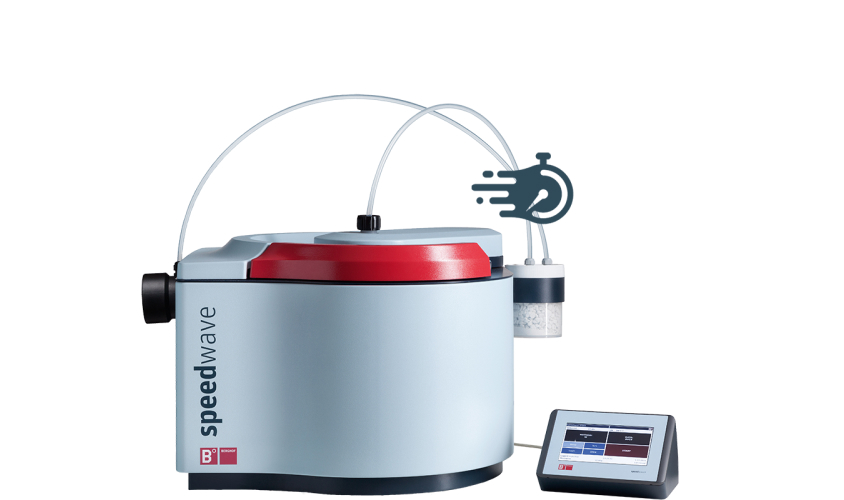
Elemental Analysis Applications
FAQ: Elemental Analysis
The choice depends on the application and the nature of the analyte. If analyses are based on organic molecules, nucleic acids, proteins, or pharmaceutical substances, the UV range (190-380 nm) is required. For colorimetric analyses, quality control, water, and food samples, the VIS range (380-900 nm) is often sufficient.
Spectral slit width directly affects spectral resolution and measurement accuracy. A narrower slit (e.g. ≤1 nm) allows better separation of closely spaced absorption maxima and more precise quantitative analyses, but with lower signal intensity. A wider slit is acceptable for routine analyses where high resolution is not critical.
Key parameters include wavelength accuracy, photometric accuracy, light source stability, and detector quality. For validated methods and regulated laboratories, low noise, minimal drift, and overall instrument stability are essential.
Software plays a crucial role in the flexibility of the instrument. Advanced software packages enable method development and validation, automatic calculations (concentration, kinetics, scanning, multi-wavelength analysis), and operation in accordance with standard protocols. Different software levels often determine whether an instrument is intended for routine quality control or research applications, and whether it meets basic pharmaceutical industry requirements such as 21 CFR Part 11 compliance.
Before selection, it is necessary to define whether the instrument will be used for quantitative analysis, reaction kinetics, spectral scanning, DNA/protein analysis, or colorimetry. The instrument and software should support the relevant methods without the need for additional manual calculations, thereby reducing the risk of errors and increasing work efficiency.
Single-beam systems are suitable for routine and rapid analyses. Double-beam instruments offer greater stability and compensation for light source fluctuations, which is important for long-term measurements and high-precision analyses.
Instrument modularity allows future upgrades such as software enhancements, temperature-controlled accessories, autosamplers, or application-specific modules. This is important for laboratories planning to expand their range of applications without replacing the core instrument.
With XRF you can analyze solids, liquids, loose powders, pressed pellets, and fusion beads.
There is an option to analyze direct sample especially when it is unknown sample without preparation (example during mapping or small spot analysis). Laboratory-grade quantitative results often require grinding or pelletizing to ensure sample homogeneity or prep as fusion beads to get the best homogeneity.
Yes, this is a standard requirement for many applications (geological, air filter, etc.). We offer packages like UniQuant as the best solution for standard-less analysis of conductive and non-conductive unknown materials.